In today’s fast-paced digital environment, productivity software has become essential for businesses, freelancers, students, and remote teams. Managing tasks manually often creates confusion, delays, and communication gaps. That is why companies now rely on productivity tools to organize workflows, improve collaboration, and complete projects more efficiently.
Workflow management is the process of organizing tasks, tracking progress, and ensuring smooth communication within a team. The right productivity software simplifies this process by combining task management, scheduling, communication, and automation into one platform.
In 2026, productivity tools are more advanced than ever, helping users save time, reduce workload, and improve overall performance.
Why Productivity Software Is Important

Modern workplaces handle multiple projects and deadlines simultaneously. Without proper organization, teams may struggle with missed tasks and inefficient communication.
Productivity software helps businesses manage operations more effectively by creating structured workflows and improving visibility across teams. Employees can track responsibilities, collaborate in real time, and monitor project progress from any location.
| Feature | Benefit |
|---|---|
| Task Management | Better workflow organization |
| Team Collaboration | Improved communication |
| Automation | Reduced manual work |
| Cloud Access | Work from anywhere |
These tools help businesses improve efficiency while maintaining better coordination among employees.
Trello for Simple Task Management

Trello is one of the most user-friendly productivity tools available today. It uses a visual board and card system that helps users organize tasks easily.
Teams can create separate boards for projects, assign deadlines, and move tasks according to progress. The drag-and-drop system makes workflow management simple, even for beginners.
Trello is especially useful for startups, content creators, freelancers, and small businesses that need a clean and organized task management system.
The platform also supports collaboration, allowing teams to share updates and monitor progress in real time.
Asana for Advanced Workflow Management
Asana is a powerful productivity platform designed for businesses handling larger and more complex projects. It allows teams to assign tasks, set priorities, track deadlines, and automate workflows.
One of Asana’s biggest strengths is its ability to manage multiple projects simultaneously while maintaining clear communication among team members.
Key Benefits of Asana
- Better project tracking
- Workflow automation
- Team collaboration
- Deadline management
Asana improves transparency within organizations and helps teams complete projects more efficiently.
Notion as an All-in-One Workspace
Notion has become extremely popular because it combines note-taking, project management, databases, and collaboration into one platform.
Businesses and individuals use Notion to organize documents, track tasks, create workflows, and manage information efficiently. The software is highly customizable, allowing users to design workspaces according to their needs.
| Notion Feature | Advantage |
|---|---|
| Notes & Documents | Organized information |
| Databases | Structured workflow |
| Collaboration Tools | Shared team access |
Notion reduces the need for multiple software tools by offering an all-in-one productivity solution.
Slack for Team Communication

Communication plays a major role in workflow management, and Slack is one of the leading communication tools for modern workplaces.
Slack organizes conversations into channels based on departments, projects, or topics. This structure makes communication more organized and reduces unnecessary email usage.
The platform also integrates with tools like Google Drive, Zoom, and Trello, helping businesses manage workflows more efficiently.
Slack is highly popular among remote teams and technology companies because it supports quick communication and collaboration.
Microsoft Teams for Business Collaboration
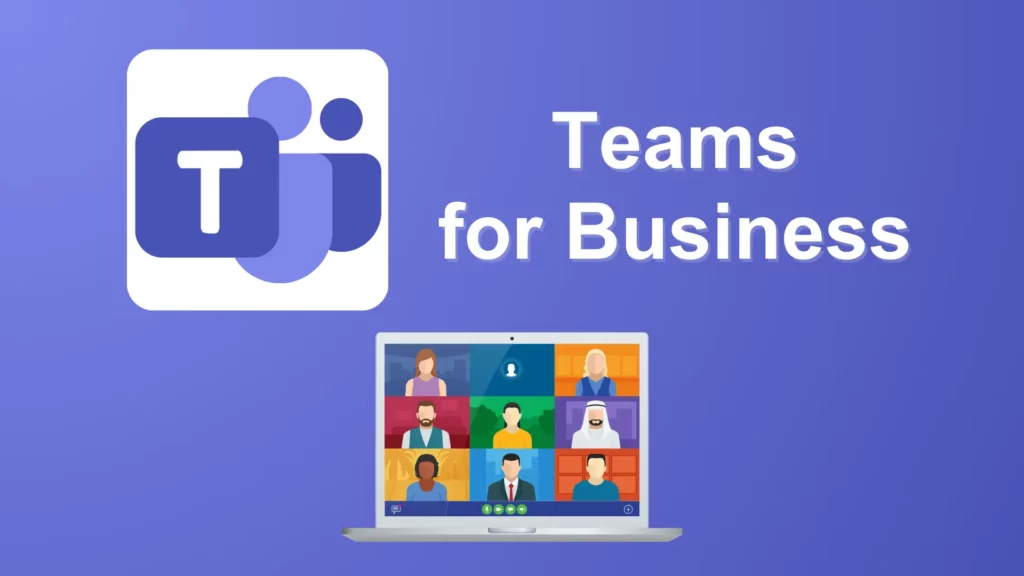
Microsoft Teams is widely used by businesses because it combines messaging, video conferencing, file sharing, and collaboration into one platform.
The software integrates seamlessly with Microsoft Office applications such as Word, Excel, and Outlook. This allows teams to collaborate on files and projects without switching between multiple platforms.
Microsoft Teams is especially useful for remote and hybrid work environments where communication and coordination are essential.
Google Workspace for Cloud Productivity
Google Workspace provides cloud-based tools that help teams collaborate from different locations. Applications like Google Docs, Google Sheets, Google Meet, and Google Drive improve communication and file management.
One of the biggest advantages of Google Workspace is real-time editing. Multiple users can work on the same document simultaneously, making collaboration faster and more efficient.
| Google Workspace Tool | Function |
|---|---|
| Google Docs | Document editing |
| Google Sheets | Spreadsheet management |
| Google Drive | Cloud storage |
| Google Meet | Online meetings |
Cloud accessibility makes Google Workspace ideal for businesses and students.
ClickUp for Complete Workflow Control

ClickUp is an advanced productivity platform that combines task management, time tracking, goal setting, and workflow automation.
Businesses use ClickUp to manage operations, monitor employee productivity, and track project performance. The platform provides customizable dashboards that improve workflow visibility.
ClickUp is particularly useful for organizations managing multiple teams and projects simultaneously.
Its automation features help reduce repetitive work and improve overall efficiency.
Benefits of Productivity Software
Productivity software offers several advantages for businesses and individuals. These tools improve organization, simplify communication, and help users complete tasks more efficiently.
Main Benefits
- Improved workflow organization
- Better communication and collaboration
- Faster task completion
- Reduced manual workload
These benefits help businesses maintain productivity while improving employee coordination and performance.
Challenges of Productivity Tools

Although productivity software improves efficiency, excessive use of multiple platforms can sometimes create confusion. Employees may struggle with too many notifications, overlapping tools, or complicated workflows.
Businesses should select software carefully according to their requirements and avoid unnecessary complexity. Proper employee training is also important for maximizing software effectiveness.
Data security is another important factor because most productivity tools rely on cloud systems for file storage and communication.
Future of Productivity Software
The future of productivity software is becoming increasingly advanced with artificial intelligence and automation technologies. AI-powered tools are now helping users automate repetitive tasks, summarize meetings, and improve workflow efficiency.
Voice-based commands, predictive task management, and smart scheduling systems are expected to become more common in the coming years.
As workplaces continue shifting toward digital environments, productivity software will remain essential for efficient workflow management.
Conclusion
Productivity software plays a major role in improving workflow management, communication, and efficiency in modern workplaces. Tools like Trello, Asana, Notion, Slack, Microsoft Teams, Google Workspace, and ClickUp help businesses organize tasks, improve collaboration, and simplify daily operations.
Choosing the right productivity software depends on workflow requirements, team size, and business goals. The right platform can save time, reduce confusion, and significantly improve overall productivity.
In 2026, businesses and professionals who effectively use productivity tools are better prepared for modern digital work environments and long-term success.