
Technology tools have become essential for businesses, students, freelancers, content creators, and remote teams. In 2026, digital transformation continues to grow rapidly, making productivity software, AI platforms, collaboration tools, design applications, and cybersecurity solutions more important than ever.
Choosing the right technology tool can improve workflow management, communication, efficiency, and overall productivity. However, with so many options available, comparing features, pricing, usability, and performance has become necessary before making a decision.
Modern tools are now powered by artificial intelligence, cloud computing, and automation, helping users complete tasks faster and more efficiently. Businesses are especially focusing on software that improves collaboration, reduces manual work, and supports remote operations.
This article ranks and compares some of the best technology tools in 2026 based on performance, usability, popularity, and functionality.
Why Technology Tools Are Important

Technology tools simplify daily work by improving communication, organization, and workflow management. They help users automate repetitive tasks, collaborate remotely, and manage projects more efficiently.
Businesses use modern software solutions to increase productivity and reduce operational costs. Students and freelancers also rely on technology tools for learning, communication, and content creation.
| Tool Category | Main Purpose |
|---|---|
| Productivity Tools | Workflow management |
| AI Tools | Automation and content generation |
| Collaboration Software | Team communication |
| Design Tools | Graphic and visual creation |
| Cybersecurity Tools | Digital protection |
The right tools improve efficiency and support long-term growth.
Best Productivity Tools in 2026

Productivity tools are among the most widely used software categories because they help users organize tasks and manage workflows efficiently.
Trello remains one of the best tools for simple project management because of its visual board system and beginner-friendly interface. It works well for freelancers, startups, and content creators.
Asana is preferred by larger teams and businesses because it provides advanced workflow management, task tracking, and automation features.
| Productivity Tool | Best For |
|---|---|
| Trello | Simple task management |
| Asana | Advanced workflow management |
| Notion | All-in-one productivity |
These tools improve organization and help teams stay productive.
Best AI Tools Compared
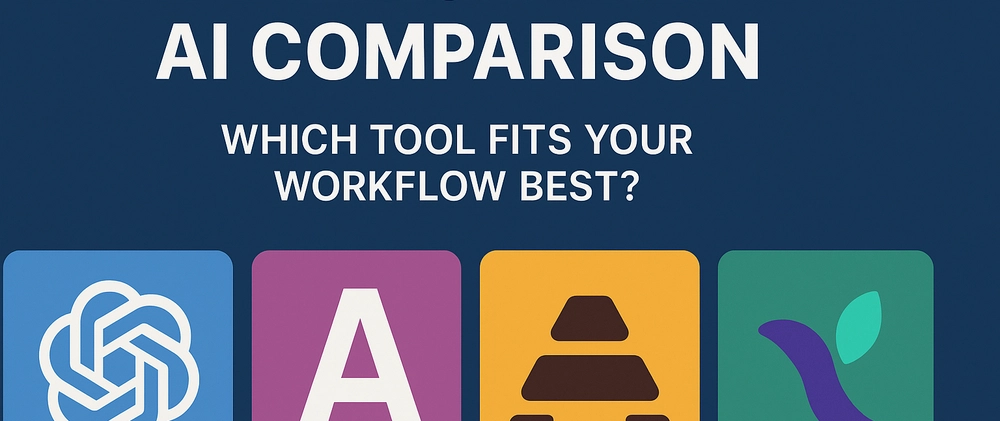
Artificial intelligence tools are transforming industries by automating tasks and improving efficiency. AI software is now commonly used for writing, design, automation, coding, and customer support.
ChatGPT remains one of the leading AI tools for content creation, research, and productivity support. Businesses and creators use it for writing blogs, generating ideas, and improving workflows.
AI image generation tools are also becoming highly popular among designers and marketers. These platforms help users create graphics and digital art quickly.
Businesses prefer AI tools because they save time and improve operational efficiency.
Best Collaboration Tools in 2026
Remote and hybrid work environments have increased the importance of collaboration software. These platforms improve communication and help teams manage projects from different locations.
Slack remains one of the best communication platforms because of its organized channels and real-time messaging features.
Microsoft Teams is highly popular in corporate environments because it combines meetings, messaging, and Microsoft Office integration.
Zoom continues to dominate virtual meetings and webinars due to its stable video conferencing system.
| Collaboration Tool | Main Strength |
|---|---|
| Slack | Team messaging |
| Microsoft Teams | Business collaboration |
| Zoom | Video conferencing |
These tools improve remote communication and workflow management.
Best Design Tools Ranked

Graphic design and content creation are major parts of digital marketing and branding. Design tools help creators produce professional visuals, social media graphics, and business presentations.
Canva remains one of the most beginner-friendly design platforms because of its drag-and-drop system and ready-made templates.
Adobe Photoshop is still considered the industry standard for advanced photo editing and graphic design.
Figma has become highly popular among UI/UX designers because of its collaborative design features.
Modern design tools are now integrating AI-powered editing and automation features for faster content creation.
Best Cloud Storage Tools

Cloud storage tools allow users to store and access files from anywhere. Businesses rely on cloud platforms for secure file management and remote collaboration.
Google Drive remains highly popular because of its integration with Google Workspace applications.
Dropbox is preferred for professional file sharing and synchronization, especially among businesses and creative teams.
Cloud storage systems improve flexibility and support remote work environments.
Best Cybersecurity Tools

Cybersecurity has become increasingly important because of rising online threats and data breaches. Businesses and individuals now invest heavily in security software to protect digital assets.
Antivirus software, VPN services, password managers, and internet security tools are among the most commonly used cybersecurity solutions.
Modern security platforms provide real-time threat detection, encrypted communication, and multi-device protection.
Businesses prioritize cybersecurity tools to maintain customer trust and protect sensitive information.
Features to Consider Before Choosing Technology Tools
Choosing the right technology tool depends on specific goals, budget, and workflow requirements. Users should compare usability, performance, scalability, and integration support before selecting software.
Important Factors
- Ease of use
- Security features
- Integration support
- Pricing and subscriptions
- Customer support
Tools that improve workflow without adding unnecessary complexity usually provide the best long-term value.
Benefits of Modern Technology Tools
Modern technology tools offer several advantages for businesses and individuals. They improve productivity, simplify communication, and automate repetitive processes.
| Benefit | Impact |
|---|---|
| Automation | Reduced manual work |
| Collaboration | Better teamwork |
| Cloud Accessibility | Remote flexibility |
| AI Integration | Faster workflows |
These benefits help businesses remain competitive in digital environments.
Challenges of Using Multiple Tools
Although technology tools improve efficiency, using too many platforms can create confusion and workflow complexity. Businesses often face issues with software compatibility, employee training, and subscription costs.
Organizations should focus on selecting tools that align with their workflow needs instead of adopting unnecessary platforms.
Data security and privacy are also important concerns when using cloud-based software.
Future of Technology Tools

The future of technology tools will focus heavily on artificial intelligence, automation, and cloud integration. AI-powered assistants are expected to become more advanced in managing workflows, generating content, and improving decision-making.
Businesses will continue adopting smart collaboration platforms, automation software, and predictive analytics systems to improve productivity.
Technology tools will become more connected, personalized, and intelligent in the coming years.
Conclusion
Technology tools play a major role in improving productivity, communication, collaboration, and workflow management in 2026. Platforms like Trello, Asana, Slack, Microsoft Teams, Canva, Photoshop, and AI-powered software are helping businesses and individuals work more efficiently.
Choosing the right tool depends on workflow requirements, business goals, and user preferences. The best technology solutions are those that simplify tasks, improve organization, and support long-term productivity.
As digital transformation continues growing, technology tools will remain essential for modern work, communication, and innovation.