
Technology has completely transformed the modern workplace. In 2026, businesses rely heavily on digital tools, automation, artificial intelligence, and cloud platforms to improve efficiency and productivity. From communication and workflow management to remote collaboration and data analysis, technology is helping employees complete tasks faster and more effectively.
Workplace productivity is no longer only about working harder. Modern businesses focus on working smarter by using technology to reduce manual effort, improve communication, and simplify operations. Organizations that adopt advanced digital solutions are better prepared to manage projects, support remote teams, and increase overall performance.
As workplaces continue evolving, technology remains one of the biggest drivers of productivity and business growth.
Digital Communication Tools

Communication is one of the most important parts of workplace productivity. In the past, businesses depended heavily on emails and physical meetings, which often slowed down workflow processes.
Modern communication platforms like Slack, Microsoft Teams, and Zoom have improved workplace collaboration significantly. Employees can now communicate instantly, share files, organize meetings, and discuss projects from any location.
These tools reduce delays and improve coordination among teams, especially in remote and hybrid work environments.
| Communication Tool | Main Benefit |
|---|---|
| Slack | Instant messaging |
| Microsoft Teams | Team collaboration |
| Zoom | Virtual meetings |
Fast communication improves teamwork and project efficiency.
Automation and Workflow Management

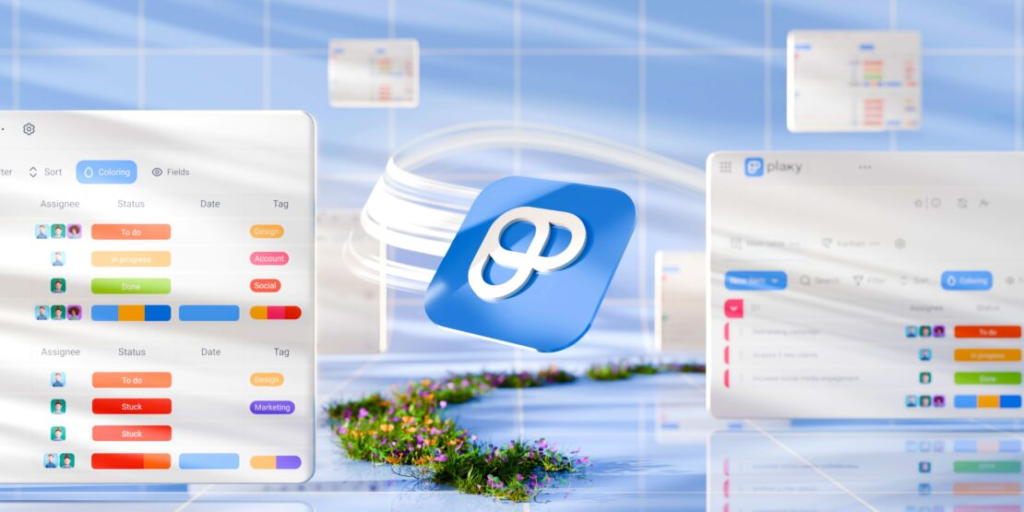
Automation is helping businesses save time by reducing repetitive manual tasks. Many companies now use workflow management software to organize projects, assign tasks, and track progress automatically.
Automation tools can handle scheduling, email responses, reporting, and task reminders, allowing employees to focus on more strategic work.
Project management platforms like Trello, Asana, and ClickUp improve workflow visibility and help teams complete projects more efficiently.
Automation not only increases speed but also reduces human errors in daily operations.
Artificial Intelligence in the Workplace
Artificial intelligence is becoming a major part of workplace productivity. AI-powered tools help businesses analyze data, generate reports, automate customer support, and improve decision-making.
AI assistants can summarize meetings, create schedules, and provide workflow recommendations based on work patterns. Businesses are also using AI chatbots to handle customer inquiries quickly and efficiently.
Benefits of AI in Productivity
- Faster task completion
- Improved decision-making
- Reduced repetitive work
- Better customer support
AI is helping employees work more efficiently while improving overall business performance.
Cloud Computing and Remote Work

Cloud technology has made workplace productivity more flexible and accessible. Employees can now access files, software, and documents from any device with internet connectivity.
Cloud-based platforms such as Google Workspace and Microsoft 365 allow teams to collaborate in real time, improving workflow efficiency.
Remote work has become more productive because cloud systems support file sharing, communication, and project management from different locations.
| Cloud Feature | Productivity Benefit |
|---|---|
| Remote Access | Flexible working |
| Cloud Storage | Secure file management |
| Real-Time Collaboration | Faster teamwork |
Cloud computing supports modern digital workplaces effectively.
Smart Collaboration Software
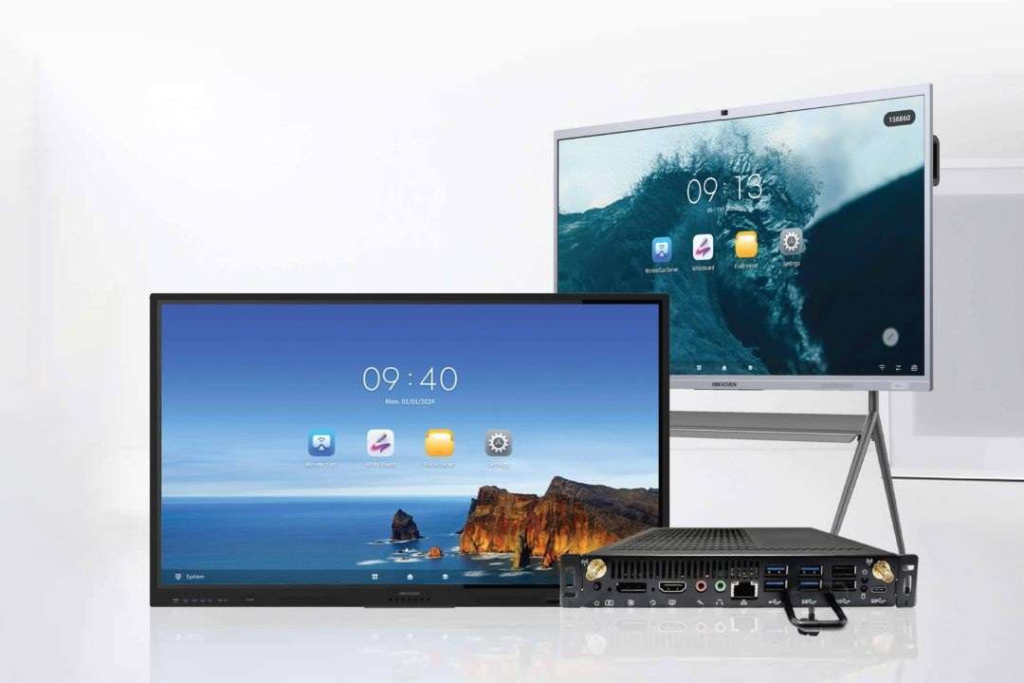
Collaboration tools are helping businesses improve teamwork and workflow coordination. Modern software combines communication, task management, file sharing, and project tracking into one platform.
Employees can collaborate on documents, monitor project updates, and communicate instantly without switching between multiple applications.
Businesses using collaboration technology often experience improved efficiency and better project completion rates.
These tools are especially important for remote and hybrid work environments where digital coordination is essential.
Data Analytics and Business Insights
Technology allows businesses to collect and analyze data more efficiently. Companies use analytics software to monitor performance, understand customer behavior, and improve decision-making.
Data-driven insights help managers identify workflow problems, track employee productivity, and optimize business strategies.
Modern analytics tools also support predictive analysis, helping businesses plan future operations more effectively.
Organizations using smart analytics systems can make faster and more accurate decisions.
Smart Devices and Workplace Mobility

Smartphones, tablets, laptops, and wearable devices are improving workplace flexibility and communication. Employees can now attend meetings, manage tasks, and access business information while traveling or working remotely.
Mobile-friendly productivity applications allow workers to stay connected and responsive throughout the day.
Workplace mobility improves efficiency because employees are no longer restricted to traditional office environments.
Technology is making work more accessible and flexible than ever before.
Cybersecurity and Safe Digital Workplaces
As businesses rely more on digital systems, cybersecurity has become essential for maintaining productivity and protecting information.
Cybersecurity tools protect business data, communication systems, and cloud platforms from cyber threats and unauthorized access.
Modern security software includes encryption, multi-factor authentication, and real-time monitoring systems.
Important Cybersecurity Practices
- Use strong passwords
- Enable multi-factor authentication
- Keep software updated
- Use secure cloud systems
Safe digital environments help businesses maintain uninterrupted productivity.
Benefits of Technology in Workplace Productivity
Technology provides several advantages that improve workplace efficiency and employee performance.
| Benefit | Impact |
|---|---|
| Automation | Reduced manual work |
| Better Communication | Faster coordination |
| Remote Accessibility | Flexible work options |
| Data Analytics | Smarter decisions |
These improvements help businesses increase productivity and reduce operational challenges.
Challenges of Workplace Technology
Although technology improves productivity, businesses also face challenges such as software overload, employee adaptation issues, and cybersecurity risks.
Using too many tools can create workflow complexity and communication confusion. Employees may also require training to use advanced software effectively.
Technical issues and internet dependency can sometimes affect digital operations.
Businesses should focus on selecting tools that simplify workflows instead of creating unnecessary complications.
Future of Workplace Productivity Technology

The future of workplace productivity will focus heavily on artificial intelligence, automation, and smart digital systems. AI-powered assistants are expected to become more advanced in task management, scheduling, and workflow optimization.
Virtual collaboration, cloud computing, and predictive analytics will continue improving remote work experiences.
Businesses are also exploring augmented reality and virtual reality technologies for training, communication, and workplace collaboration.
Technology will continue transforming workplaces by making operations faster, smarter, and more efficient.
Conclusion
Technology is playing a major role in improving workplace productivity by simplifying communication, automating tasks, and supporting digital collaboration. Tools such as AI platforms, cloud systems, workflow software, and collaboration applications are helping businesses operate more efficiently in modern work environments.
Organizations that adopt smart technology solutions can improve teamwork, reduce manual effort, and make better decisions through data-driven insights. However, businesses must also focus on cybersecurity, employee training, and proper workflow management.
In 2026, technology continues to reshape workplaces and create more productive, flexible, and connected business environments.