
Let’s be entirely honest with ourselves about what productivity actually means in 2026. For years, we have been fed a toxic, exhausting narrative that staying productive means chaining yourself to a desk for twelve hours a day, constantly multitasking, and wearing chronic burnout like a badge of honor. We treat a packed, chaotic calendar as proof of success, yet we often end our days feeling utterly depleted, staring at a mountain of unfinished tasks, and wondering where all our time actually went.
True efficiency is not about how many hours you clock or how many minor chores you desperately scrape through; it centers entirely on managing your mental focus, protecting your energy, and building small, automated daily habits that get you to your goals with less friction. When you strip away the frantic noise of modern hustle culture, you realize that sustainable success is built on subtle, intentional tweaks to your daily routine. By making small, consistent changes, you can systematically lower your daily stress levels, clear your mental clutter, and unlock a deeply satisfying, high-performance lifestyle that leaves plenty of room for real rest.
[Frantic Busyness & Burnout] ──> Inject Intentional Focus Habits ──> High-Output, Low-Stress Success
Build a Definitive Morning Map Before the World Intervenes

The single biggest mistake most of us make is grabbing our smartphones the exact millisecond we wake up, instantly exposing our brains to a chaotic wave of work emails, news alerts, and social media notifications. When you do this, you hand over control of your morning to external demands, forcing yourself into a reactive, high-stress mindset before you’ve even had a glass of water.
+------------------------------------+------------------------------------+
| Reactive Morning Pitfalls          | Strategic Daily Mapping            |
+------------------------------------+------------------------------------+
| Scrolling news or emails in bed    | Committing to 10 minutes of quiet  |
| Writing a vague, 20-item to-do list| Picking exactly 3 non-negotiable wins|
| Reacting blindly to minor issues   | Mapping specific time blocks early |
+------------------------------------+------------------------------------+
A truly successful, calm day requires you to build a protective visual plan before the digital noise rolls in. Spend just ten minutes every single morning outlining a highly realistic, targeted daily roadmap. Write down your schedule, look at your existing commitments, and map out exactly when and where your work will happen. This simple act of structural mapping radically reduces early morning decision fatigue, clears away brain fog, and gives you the absolute confidence of knowing exactly where to direct your focus the moment you sit down to work.
Attack Your Heaviest High-Impact Goals First

Not all tasks on your checklist are created equal. In any given week, there are usually two or three critical projects that will move the needle for your career or personal growth, while the rest are minor administrative tasks like sorting files or replying to casual chats. The trap is that because our biggest projects are mentally demanding, we tend to procrastinate on them, wasting our prime morning energy on easy, low-value chores just to feel busy.
[Morning Energy Peak] ──> Complete Most Challenging Task ──> Rest of Day Feels Effortless & Easy
Highly effective people practice the art of tackling their most challenging, high-impact tasks during their peak focus hours. Identify your single most important project for the day—the one that requires deep, uninterrupted thought—and commit to working on it first thing, before your inbox fills up with distractions. When you finish your heaviest creative lift early in the day, you generate a powerful wave of momentum that carries you through the afternoon, making the rest of your workload feel remarkably light and effortless.
Move Away from Constant Availability with Structured Time Blocks
Trying to do deep, meaningful work while keeping your email inbox open, your chat apps running, and your phone buzzing on your desk is a recipe for mental exhaustion. Every single time a digital alert breaks your concentration, it takes your brain an average of twenty minutes to regain its original deep-focus state. This constant context switching fractures your attention and drains your mental battery.
          ┌────────────────────────────────┐
          │    The Focused Time-Block Map  │
          └───────────────┬────────────────┘
                          │
         ┌────────────────┼────────────────┐
         ▼                ▼                ▼
┌─────────────────┐ ┌───────────────┐ ┌──────────────────┐
│   Deep Work     │ │ Shallow Work  │ │ Recharging Break │
│90 minutes of    │ │60 minutes for │ │15 minutes to step│
│isolated focus   │ │emails and team│ │away from screen  │
└─────────────────┘ └───────────────┘ └──────────────────┘
To reclaim your focus, you must transition to a rigid system of dedicated time blocking. Divide your day into distinct compartments, reserving clear ninety-minute windows for deep-dive work, followed by short, scheduled periods for answering messages and handling admin tasks. Pair this strategy with proven focus techniques, like working in concentrated sprints followed by quick breathing spaces, to keep your mind sharp and prevent the mid-afternoon crash. Managing your schedule in structured waves allows you to produce exceptional work without feeling completely overwhelmed.
Create a Zero-Distraction Sanctuary for Your Mind

We live in a world specifically engineered to steal our attention. Every notification, pop-up window, and text message is designed to trigger a tiny hit of dopamine that pulls us away from our actual priorities, making deep concentration feel nearly impossible.
Softening these disruptions requires you to take proactive control of your immediate surroundings. When you enter a deep-work window, turn off all non-essential notifications, put your phone in another room, and close unnecessary browser tabs. Let your team know when you are going heads-down so they don’t interrupt your flow with casual questions. By intentionally building a quiet, distraction-free sanctuary for your mind, you give your brain the space it needs to enter a flow state, allowing you to wrap up complex tasks in half the time it would normally take.
Anchor Your Mind with a Grounded Morning Routine

The way you handle your first hour of awake time sets the emotional and mental tone for the rest of your day. If you wake up late, hurry through your house, and rush straight to your desk, you will likely carry that frantic, anxious energy into every meeting and project until evening.
A sustainable life relies on building a grounded morning routine that genuinely supports your lifestyle. This doesn’t mean you need a multi-step self-care routine; it just means creating a predictable sequence of positive habits that ground your mind. Whether it’s a quick outdoor walk, reading a chapter of a book, or sitting down to enjoy a healthy breakfast in complete silence, find an anchor that works for you. Starting your day with an intentional personal win puts you in a proactive frame of mind, making it easy to handle unexpected challenges calmly.
Take Genuine, Screen-Free Breaks to Protect Your Brain

Many people still believe the myth that working straight through lunch without a single pause proves high dedication and yields maximum output. In reality, working non-stop forces your brain to operate in a state of cognitive fatigue, which tanks your problem-solving skills and leaves you wide open to making simple mistakes.
[Continuous 4-Hour Stare] ──> Mental Fatigue ──> Spikes Stress ──> Sells Performance Short
[60m Focus + 10m Real Walk] ──> Mind Recovers ──> Lowers Anxiety ──> Sparks Creative Solutions
True productivity requires you to step away from your workstation for regular, high-quality recovery breaks. Crucially, a real break means leaving all screens behind entirely—checking social media on your phone while sitting at your desk does not count as mental rest. Stand up, stretch your muscles, step outside for some fresh air, or grab a glass of water. Giving your mind a few minutes of genuine blank space allows your brain to process information in the background, which lowers your stress levels and often sparks your best creative breakthroughs.
Let Technology Handle Your Administrative Heavy Lifting

We have access to an incredible array of digital organization tools designed to take the pressure off our memory systems. Yet, many people still try to track complex project deadlines, client notes, and daily tasks entirely in their heads, which creates constant underlying background anxiety.
[Brain Overloaded with Reminders] ──> Constant Anxious Tension ──> Poor Focus
[Tasks Offloaded to Digital App]  ──> Clear, Relaxed Brainspace  ──> High Performance
Stop using your brain as a storage unit and start using it strictly as a processing engine. Offload your logistical details to digital calendars, shared task boards, and cloud-hosted note apps. Set automated reminders for recurring bills, use project templates to streamline repetitive tasks, and keep all your project materials organized in one centralized digital space. When you let technology manage your logistics, you free up massive amounts of mental energy, allowing you to focus entirely on your actual work.
Honor the Mind-Body Connection as Your Core Fuel Source
You can implement every single time management hack on the market, but if you are running on four hours of sleep, a poor diet, and zero physical movement, your brain simply will not have the raw fuel it needs to perform at a high level. Your physical health is the literal engine that drives your cognitive output.
The Biological Foundation: High performance is fundamentally tied to biological respect. Prioritizing seven to eight hours of quality sleep, drinking plenty of water, and getting regular movement isn’t a luxury detour from your goals—it is the foundation of your success. Taking care of your physical body keeps your focus sharp, stabilizes your mood, and gives you the sustained energy required to tackle complex problems without burning out.
Close the Loop with an End-of-Day Review
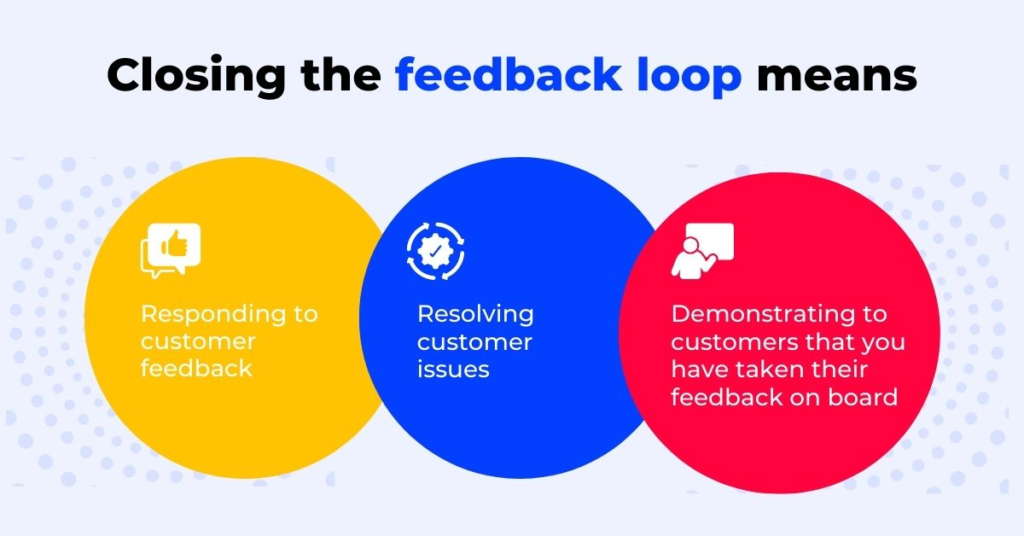
Just as how you start your morning matters, how you close out your workday plays a huge role in your overall peace of mind. When you finish work abruptly, your brain often continues to stress over unfinished tasks all evening, making it impossible to truly unwind.
Review What Was Finished ──> Reset Your Desk ──> Turn Off Work Brain Completely
Dedicate the final five minutes of your workday to a quick evening review. Check off the goals you completed, move any lingering tasks to tomorrow’s list, and tidy up your physical and digital workspaces. Taking a moment to celebrate your small wins brings a sense of closure to your workday. This simple routine allows you to disconnect completely, step away from your desk, and enjoy your evening with your family without work stress hanging over your head.
Embrace Patience and Value Consistency Over Perfection
Building a highly productive lifestyle is a long-term process, not something that happens overnight. The goal is never to execute a flawless, perfectly calculated day every single time—real life is unpredictable, and emergencies will always pop up.
Occasional Intense Bursts ──> High Fatigue ──> Rapid Dropout
Daily Imperfect Consistency  ──> Compound Gains ──> Deeply Rooted Lifestyle Changes
The real secret to lasting change is imperfect consistency over long periods. Missing a time block or having a distracted afternoon does not mean your new routine has failed. Forgive the slip-up, adjust your approach, and focus on making a small improvement tomorrow. By dropping the pressure of perfectionism and letting your daily habits evolve naturally, you build a