The artificial intelligence marketplace is experiencing a period of unprecedented expansion, driven by continuous machine learning iterations and massive infrastructure investments. At the absolute center of this technological race is the head-to-head competition between two premier conversational models: ChatGPT, engineered by the data architects at OpenAI, and Claude, developed by the safety-oriented researchers at Anthropic. These platforms have quickly evolved from basic text-generation novelties into indispensable digital infrastructure for corporate operations, software engineering pipelines, academic researchers, and digital creators worldwide.
While both systems leverage massive multi-layered neural networks to mimic human language, their core software configurations, optimization strategies, and design philosophies are fundamentally different. Choosing between them is no longer about finding the absolute “best” model; instead, it requires a clear, analytical look at how their unique strengths, token limits, coding capacities, and data-handling abilities map onto your specific business workflows.
Core Philosophies: OpenAI’s Utility vs. Anthropic’s Safety

To truly appreciate the functional differences between these two digital systems, one must look at the structural priorities of the institutions that created them. OpenAI designed ChatGPT with a primary focus on multi-modal utility, maximum feature versatility, and raw problem-solving speed. It is engineered to operate as a high-performance, general-purpose computer interface capable of executing a massive web of tasks—ranging from web search integrations and custom data tracking to image synthesis and complex app development.
[OpenAI Philosophy]  ➔ Maximize Feature Versatility, Tool Integrations & Speed
[Anthropic Philosophy] ➔ Maximize Constitutional Alignment, Context Windows & Nuance
In stark contrast, Anthropic constructed Claude under a specialized framework known as Constitutional AI. This training protocol hardcodes a specific set of ethical principles and behavioral guidelines directly into the model’s core decision engine. This deep structural alignment optimizes Claude to deliver highly nuanced, intellectually rigorous responses while actively avoiding defensive biases or logical contradictions.
Furthermore, Anthropic prioritizes massive context window scaling, optimizing their architecture to process massive blocks of unstructured institutional data smoothly. This design choice makes their platform look less like a snappy consumer app and more like an elite, highly analytical corporate research consultant.
Text Generation: Creative Versatility vs. Elegant Long-Form Nuance
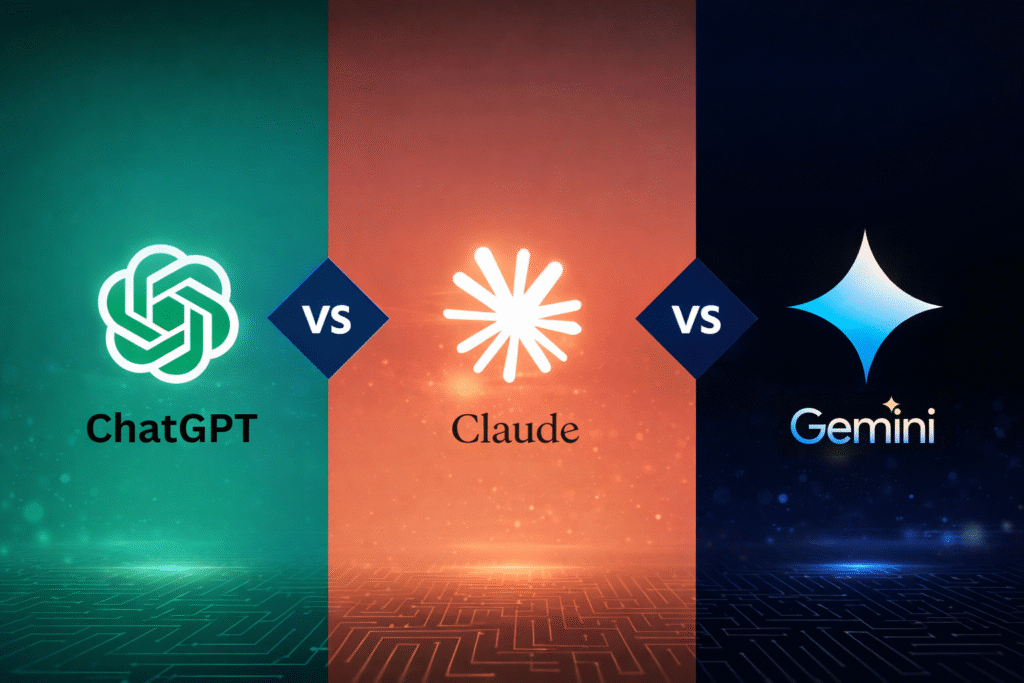
When analyzing text generation capabilities, both platforms display exceptional language skills, yet they execute their writing workflows with entirely distinct linguistic styles.
+------------------+------------------------------------+------------------------------------+
| Writing Metric   | OpenAI ChatGPT                     | Anthropic Claude                   |
+------------------+------------------------------------+------------------------------------+
| Structural Tone  | Crisp, highly structured, assertive| Fluid, natural, academic, elegant  |
| Formatting Base  | Heavy bullet points & bold headers | Cohesive narrative prose sequences |
| Ideation Style   | Explodes into wide variations      | Focuses on deeply grounded concepts|
| Brand Alignment  | Highly adaptable via clear prompts | Maintains consistent voice traits  |
+------------------+------------------------------------+------------------------------------+
ChatGPT tackles creative assignments with exceptional speed, structured clarity, and an assertive tone. It excels at breaking ideas down into highly scannable, bulleted lists, creating aggressive marketing copy, and generating expansive variations during open-ended brainstorming sessions. However, if left unguided, its text can occasionally sound slightly formulaic or robotic, falling back on recognizable structural patterns.
Conversely, Claude is widely celebrated for its elegant, highly human prose style. It avoids the obvious structural patterns that often flag AI-generated content, preferring cohesive, fluid narrative paragraphs. This refined prose makes Claude the superior option for ghostwriting long-form essays, drafting delicate corporate communications, translating complex emotional themes, and editing deeply researched literature that requires a sophisticated, authoritative tone.
Coding and Technical Problem Solving: Execution vs. Code Review
For software engineering teams and technical DevOps pipelines, utilizing an AI companion has become a core requirement for maintaining competitive development speeds. Both platforms offer elite coding capabilities, but they fit into different stages of the development cycle.
[Feature Request] ➔ [ChatGPT: Generates Full Boilerplate & Sets Up Files]
                           ▼
[Complex Debugging] ➔ [Claude: Analyzes Entire Repo & Flags Structural Risks]
ChatGPT operates as an incredibly aggressive, highly efficient production partner. It is highly optimized for writing clean boilerplate architecture from scratch across dozens of programming languages. If you provide a prompt detailing a complex application build, it will quickly output functional, highly commented script blocks, map out database schemas, and walk you through deployment commands.
Claude, on the other hand, excels at deep technical analysis and code reviews. Because its large context window can ingest multiple full source-code files simultaneously, it can easily track complex, multi-file dependencies. When you feed it a large codebase, it acts as an elite systems auditor—identifying obscure memory leaks, pointing out hidden security vulnerabilities, and offering deep explanations of how legacy functions interact across an entire application infrastructure.
Context Windows and Complex Document Diagnostics
The ability to process, remember, and analyze massive volumes of text data is a critical battleground in modern artificial intelligence, and it is here that the structural differences between these platforms become most visible.
Step-by-Step Data Pipeline for Large Document Analysis
1.High-Volume Data Ingestion:Phase 1.
The user streams large multi-page PDFs, complete financial annual reports, or extensive regulatory law texts directly into the platform’s active memory buffer.
2.Full Context Tokenization:Phase 2.
The neural architecture translates the massive text stream into mathematical tokens, retaining complete structural orientation across the entire file history.
3.Cross-Document Core Analysis:Phase 3.
The system maps out semantic links, identifies hidden structural patterns, and tracks specific clauses buried deep across thousands of lines of text.
4.Targeted Insights Generation:Phase 4.
The model outputs highly precise, contextually accurate summaries, comparative data tables, and strategic risk assessments with zero external hallucination risks.
Logical Reasoning: Dynamic Workflows vs. Nuanced Discussions
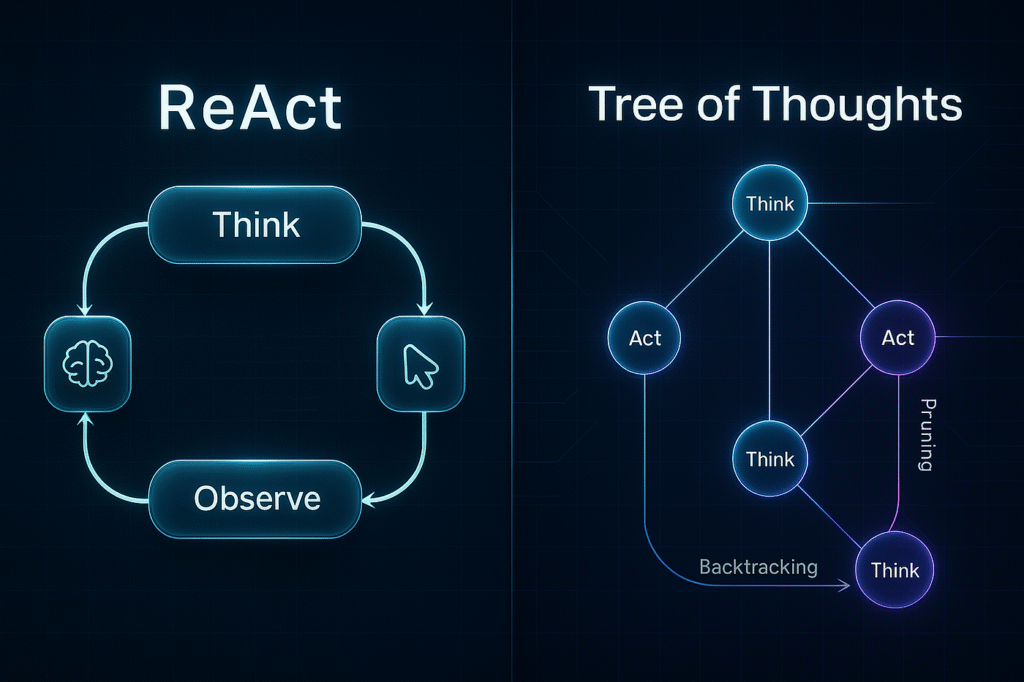
When facing multi-step logical problems, complex business scenarios, or advanced academic research, both assistants deploy powerful reasoning engines, but they approach problem-solving through different cognitive lenses.
Independent benchmarking studies indicate that ChatGPT consistently achieves top marks in structured, multi-step analytical logic tests, whereas Claude excels in processing nuanced textual arguments and identifying subtle semantic contradictions within dense legal testimony.
ChatGPT handles rule-based logic, structural calculations, and complex multi-step instructions with incredible precision. It loves clear constraints and works best when executing structured pipelines, formatting data tables, and driving practical productivity tasks.
Claude takes a more philosophical approach, thriving in open-ended, highly nuanced conceptual spaces. It can effortlessly weigh competing philosophical arguments, analyze complex historical timelines, and provide deeply balanced perspectives on complicated social issues, making it the perfect tool for high-level legal analysis, strategic brand planning, and qualitative research.
Ecosystem Design, Integrations, and Feature Ecosystems

Beyond the raw performance of their core language models, the practical everyday value of these platforms depends heavily on the surrounding feature ecosystem and tool integrations.
+----------------------+------------------------------------+------------------------------------+
| System Capability    | OpenAI ChatGPT                     | Anthropic Claude                   |
+----------------------+------------------------------------+------------------------------------+
| Visual Interface     | Dynamic, multi-panel design        | Minimalist, distraction-free chat  |
| Image Generation     | Native DALL-E 3 integration        | None (Strictly text & code focus)  |
| Live Web Access      | Browses live web data natively     | Limited to internal training base  |
| Custom Tool Building | High (Build custom specialized GPTs)| Moderate (Projects feature space)  |
+----------------------+------------------------------------+------------------------------------+
ChatGPT offers a feature-rich, highly versatile toolkit. It provides native internet browsing to pull real-time facts, integrates directly with DALL-E 3 for rapid image generation, and features an advanced voice mode for smooth audio interactions. Furthermore, its custom GPT store allows users to build and deploy tailored versions of the assistant pre-loaded with specific instructions and API connections.
Claude opts for a clean, distraction-free, text-focused environment. It deliberately skips built-in image generators and web-browsing tools to double down on raw analytical performance. Its standout feature is Artifacts, a dedicated side-panel window that opens alongside your chat to display code renders, interactive web designs, or lengthy documents in real time. This allows you to view, edit, and iterate on your work without cluttering your main conversation history.
Strategic Framework: Mapping the Tools to Your Needs
To maximize your operational efficiency and ensure a high return on your software investments, you should avoid using these platforms randomly. Instead, deploy them strategically based on the specific requirements of your current project.
                  [Identify Core Task Requirements]
                                  │
         ┌────────────────────────┴────────────────────────┐
         ▼                                                 ▼
[Technical & Multi-Modal]                       [Analytical & Textual]
 • Raw script generation                         • Editing long manuscripts
 • Real-time web research                        • Summarizing huge PDF manuals
 • Multi-modal images/audio                      • Auditing structural systems
         │                                                 │
         ▼                                                 ▼
 Deploy: ChatGPT                                   Deploy: Claude
By explicitly matching your tasks to each platform’s unique strengths, you can eliminate structural bottlenecks and ensure your team is always utilizing the absolute sharpest tool for the job.
The Future Horizon of Conversational Computing
The rapid development of conversational artificial intelligence points toward an era of highly proactive, fully autonomous digital agents. We are quickly moving past the phase where AI simply waits for a user to type a prompt and hit enter.
Tomorrow’s models will operate as persistent, background-running partners. They will connect directly with deep enterprise databases, monitor live business communications, spot operational inefficiencies on their own, and independently build and deploy code patches or marketing updates with minimal human oversight. As OpenAI continues to expand multi-modal speeds and Anthropic refines the depth of its logical context windows, these two tools will continue to transform the limits of human productivity, reshaping how humanity collaborates with intelligent machines.
Frequently Asked Questions
Which platform should I choose for general everyday business writing?
For quick, structured business communications like daily emails, project outlines, and marketing bullet points, ChatGPT is highly effective. However, if you are drafting long-form thought-leadership articles, complex whitepapers, or delicate corporate communications that require an elegant, highly natural tone, Claude is generally preferred.
Can Claude generate visual graphics or browse live web data?
No. Anthropic intentionally focuses Claude on pure text processing, coding, and logical reasoning. If your workflow requires real-time web research, live link verification, or digital image generation, ChatGPT provides those capabilities natively through its integrated browsing and DALL-E 3 engines.
Why is Claude’s large context window considered such a massive advantage?
A large context window allows the model to process and remember huge volumes of information during a single chat session. This means you can upload an entire financial audit or a massive programming manual, and the assistant can track themes and answer hyper-specific questions across the entire document without losing its place.
Is ChatGPT or Claude more effective for software debugging?
While ChatGPT is incredible at writing fresh code blocks from scratch, Claude is highly favored for deep debugging. Because it can hold entire system codebases in its memory, it can trace complex multi-file relationships and pinpoint structural errors or security vulnerabilities that simpler code assistants miss.
Do both tools offer data privacy protections for corporate teams?
Yes. Both OpenAI and Anthropic offer dedicated enterprise subscription tiers that guarantee your uploaded inputs, custom files, and corporate conversations are completely isolated. These plans ensure your proprietary operational data is never fed back into public data loops to train future models.