
Let’s be honest: we’ve all had those days where we run around like headless chickens, finish absolutely nothing, and still feel completely exhausted by 5 PM. Somewhere along the line, we started treating “being busy” as a badge of honor. But true productivity isn’t about running yourself into the ground or working twelve-hour days. It is simply about getting your important tasks done efficiently so you can actually shut your laptop, log off, and enjoy your life.
Whether you are trying to get through college, running a business from your kitchen table, or navigating a classic office job, changing up your daily routine can help you feel less stressed and far more capable. This guide is a down-to-earth look at simple, daily habits that can help you reclaim your time and energy.
Start Your Day with a Clear Plan

Waking up and immediately opening your email without a plan is a recipe for a chaotic day. You instantly end up reacting to everyone else’s emergencies instead of focusing on your own goals. Spending just five minutes the night before or first thing in the morning to map out your day changes everything.
Write down a short list of your most important tasks. Instead of trying to do twenty things, prioritize your top three high-impact activities. Tucking into your hardest or most important task first gives you a massive burst of momentum and stops the small, annoying chores from stealing your entire afternoon.
Keep Your Daily Goals Honest
It is incredibly easy to write a mile-long to-do list, but deep down, you know you can’t finish all of it. When you set unrealistic expectations, you just end up feeling guilty and defeated by the time the sun goes down.
Instead, try to break massive projects into tiny, bite-sized actions. Instead of writing down “work on presentation,” write down “draft the first three slides.” Setting realistic daily goals keeps you motivated because you actually get the satisfaction of crossing things off your list. It builds momentum rather than burnout.
Create a Routine That Fits Your Life
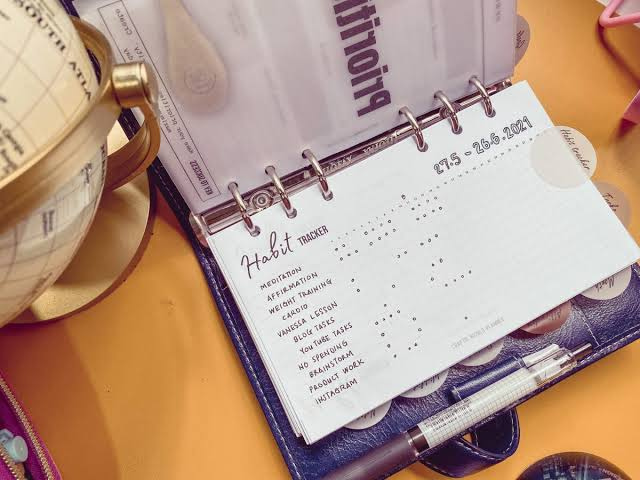
You don’t need a strict, military-style schedule to be productive. However, having a consistent daily flow helps your brain get into “work mode” without a massive mental struggle.
Pay attention to your natural energy levels. If you are sharpest in the morning, guard that time for deep, focused thinking. If you usually hit a wall after lunch, use that low-energy time for simple administrative tasks like answering emails or organizing files. Once you build a routine, you don’t have to waste energy deciding when to work; it just becomes a habit.
Shut Out the Noise
Let’s face it: our phones and laptops are designed to distract us. Every little ping, buzz, and red dot is a trap trying to steal your attention. The worst part is that even a quick five-second glance at a text message can take you up to twenty minutes to recover your focus.
To get your time back, you have to actively protect your workspace. Try putting your phone in another room, turning off non-essential notifications, and keeping your physical desk clean. If you work around others, let them know when you are going into a “deep focus” block so they know not to interrupt you unless the building is on fire.
Use Easy Time Management Tricks
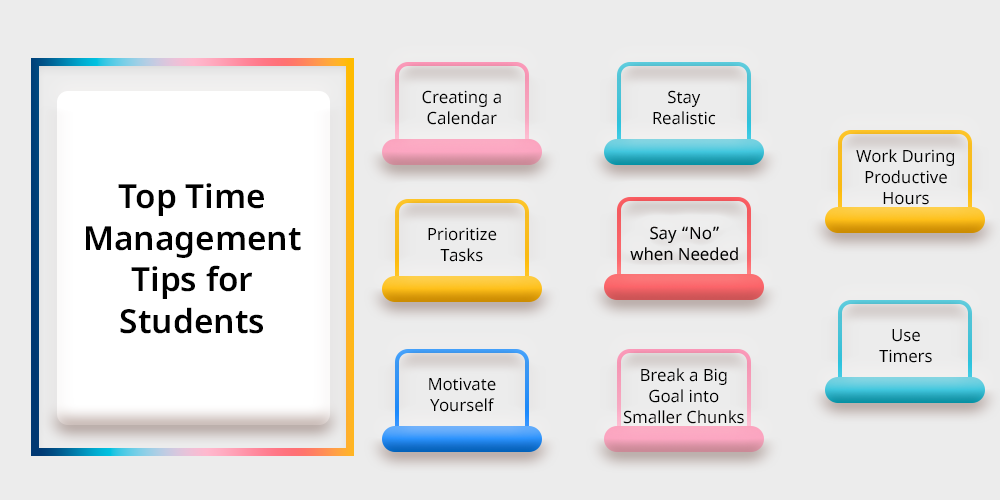
Time management isn’t about counting every second; it’s just about giving your day a little bit of structure. You don’t need to overcomplicate this. Try a few basic methods to see what actually feels good to you:
- Time Blocking: Dedicate a specific hour of your day to just one task. When that hour is up, move on.
- The Pomodoro Method: Work with absolute focus for 25 minutes, then take a 5-minute breather. Repeat. It is amazing how much you can get done when the timer is ticking.
- The Two-Minute Rule: If a task takes less than two minutes (like replying to a quick calendar invite), do it right away so it doesn’t pile up on your to-do list.
- Task Batching: Group similar chores together. Don’t answer emails one by one throughout the day; instead, answer them all at once twice a day.
Take Real Breaks, Not Fake Ones
Staring at your phone while eating a sad sandwich at your desk does not count as a break. Your brain is a muscle, and it physically cannot maintain high-level focus for hours without a rest.
Make it a habit to take intentional, screen-free breaks. Step away from your desk, stretch your shoulders, go grab a glass of water, or step outside for five minutes of fresh air. Giving your mind a chance to fully disconnect actually helps you return to your desk with a clear head and better ideas.
Take Care of the Basics

Your mind and body are connected. If you are living on four hours of sleep, frozen meals, and four cups of coffee, no productivity app in the world is going to save you.
Prioritizing your health is the ultimate productivity hack. Make sure you are getting enough quality sleep, staying hydrated, and moving your body even just a little bit every day. When your body is well-rested and fueled, staying focused and processing difficult tasks becomes infinitely easier.
Get Comfortable Saying No
It feels good to be helpful, but saying yes to every single request is a fast track to stress and sloppy work. You cannot do everything, and trying to do so only dilutes your effort.
Learning to set kind, firm boundaries is a superpower. If your plate is already full, it is completely okay to say, “I’d love to help with this, but I don’t have the capacity to give it the attention it deserves right now.” Saying no to the wrong things allows you to say yes to doing a fantastic job on your actual priorities.
Keep Your Tools Simple
Technology should make your life easier, not more complicated. Don’t fall into the trap of downloading ten different productivity apps and spending hours customizing them.
All you really need is a simple digital calendar to track your time, a basic notes app for your thoughts, and a clean list maker for your tasks. Use these tools to empty your brain so you don’t have to stress about remembering every single detail. Keep your system as simple as possible so it supports your work instead of becoming extra work.
Wrap Up Your Day with a Quick Review

Before you shut down your computer for the evening, take just two minutes to look back at what you did. Celebrate the things you successfully crossed off, and quickly move any unfinished tasks to tomorrow’s list.
This simple daily wrap-up acts as a mental boundary. It allows you to officially end your workday, meaning you won’t spend your evening stressing about what you forgot to do. It lets you fully relax and recharge for the next day.
Watch Out for the Sneaky Productivity Killers
Sometimes, getting more done is less about adding new habits and more about stopping the bad ones. Keep an eye out for these common traps:
- Constant Multitasking: It feels like you’re doing a lot, but you’re actually just scrambling your brain and making more mistakes. Focus on one thing at a time.
- Leaving Your Inbox Open: Checking your email every five minutes means you’re letting other people dictate your schedule.
- Ignoring Your Fatigue: Pushing through when you are exhausted usually results in poor work that you’ll just have to fix later.
Why This Matters for Your Life

At the end of the day, this isn’t about becoming a perfect, hyper-efficient robot. It’s about getting your time back and reducing your anxiety.
You don’t need to change your entire life overnight. Real, lasting change comes from small, daily shifts in behavior. Start by picking just one habit from this guide—like planning your day tomorrow morning or putting your phone in a drawer for an hour—and see how it feels. Be kind to yourself as you adjust, and remember that productivity is meant to serve your life, not the other way around.
Frequently Asked Questions (FAQs)
What is productivity, really?
Productivity is simply the ability to get the things that matter done with the least amount of wasted time and energy. It is about quality and impact, not just looking busy.
What is the easiest habit to start with?
Hands down, planning your day the night before is the easiest and most effective habit. It takes less than five minutes but completely removes the morning stress of wondering where to start.
How do I stop getting so distracted?
Start small. Put your phone on silent and place it out of arm’s reach. Try working in uninterrupted 20-minute blocks, and gradually increase the time as your focus muscle gets stronger.
Do I really need special apps to be productive?
Not at all. In fact, a simple pen and paper is often better than a complicated app. Use whatever system is easiest for you to maintain without getting overwhelmed.
How long does it take to see results?
You will likely feel a sense of relief and control on day one of using a daily plan. For these actions to become automatic habits, try to stick with them consistently for about three to four weeks.