
Productivity is more than simply getting more work done—it is about completing the right tasks efficiently while maintaining a healthy work-life balance. In today’s fast-paced digital world, distractions are everywhere, making it increasingly difficult to stay focused and organized. Whether you’re a student, professional, freelancer, entrepreneur, or business owner, improving productivity can help you achieve your goals faster and reduce unnecessary stress.
In 2026, technology, artificial intelligence, and smarter work strategies are transforming the way people manage their time. By adopting effective habits, using the right tools, and creating structured routines, you can accomplish more in less time while improving the quality of your work.
What Is Productivity?
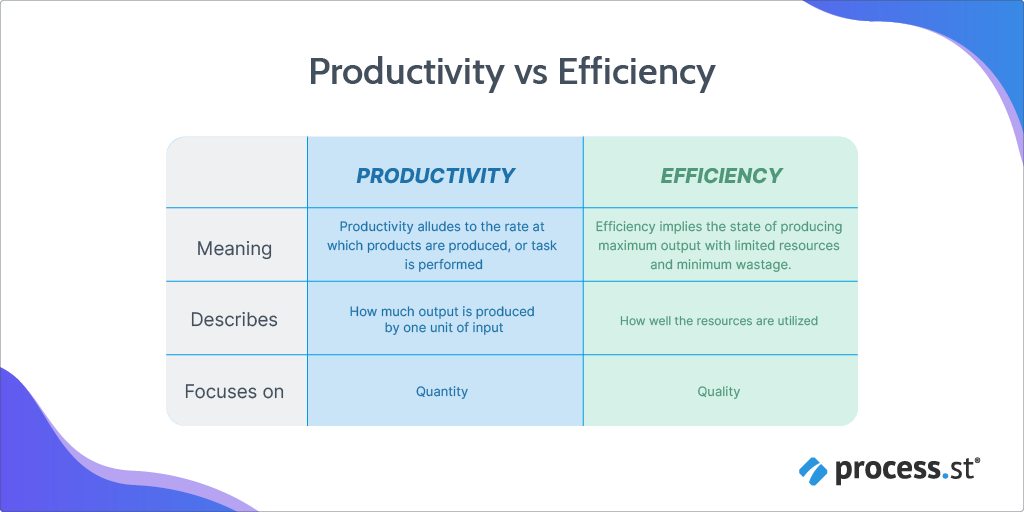
Productivity is the ability to complete tasks efficiently while making the best use of available time, energy, and resources. Being productive doesn’t mean working longer hours—it means working smarter.
Highly productive people prioritize important tasks, minimize distractions, and use proven techniques to stay focused. Productivity also involves maintaining physical and mental well-being, as healthy individuals are more likely to perform consistently.
Why Productivity Matters
Improving productivity offers benefits in both personal and professional life. It helps individuals accomplish more without feeling overwhelmed and enables businesses to achieve better results with fewer resources.
Some key benefits of higher productivity include:
- Better time management
- Increased work efficiency
- Reduced stress and burnout
- Improved focus and concentration
- Higher quality of work
- Better work-life balance
- Faster achievement of personal and business goals
Developing productive habits can lead to long-term success and greater satisfaction in everyday life.
Common Productivity Challenges

Many people struggle to stay productive because of common obstacles that interrupt their workflow.
Procrastination
Delaying important tasks often leads to missed deadlines and increased stress. Breaking large projects into smaller, manageable steps can help overcome procrastination.
Digital Distractions
Social media notifications, emails, and constant messaging apps frequently interrupt concentration. Setting dedicated focus periods and limiting unnecessary notifications can improve efficiency.
Poor Time Management
Without proper planning, it’s easy to spend too much time on low-priority tasks. Creating daily schedules and prioritizing important work helps maximize productivity.
Multitasking
Although multitasking may seem efficient, it often reduces focus and increases mistakes. Concentrating on one task at a time generally produces better results.
Effective Strategies to Boost Productivity
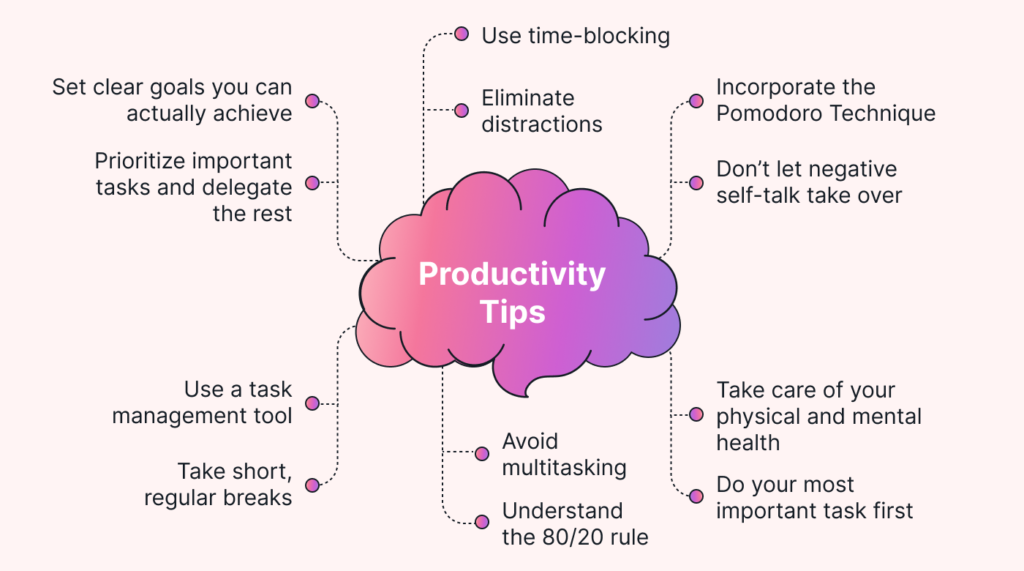
Improving productivity requires consistent habits rather than dramatic changes.
Set Clear Goals
Start each day by identifying your most important tasks. Setting realistic daily, weekly, and monthly goals provides direction and helps measure progress.
Prioritize Important Work
Use prioritization methods such as the Eisenhower Matrix or the 80/20 rule to focus on high-impact activities before less important tasks.
Plan Your Day
Creating a daily schedule helps allocate time effectively. Planning work in advance reduces decision fatigue and keeps you organized throughout the day.
Use Time Blocking
Time blocking involves assigning specific periods for different tasks. This method helps reduce distractions and encourages deep, focused work.
Take Regular Breaks
Short breaks improve concentration and reduce mental fatigue. Techniques like the Pomodoro Method, which alternates focused work sessions with short breaks, can increase efficiency.
Best Productivity Tools in 2026

Technology plays a major role in improving productivity. Modern productivity tools help users organize tasks, collaborate with teams, and automate repetitive work.
Popular productivity tools include:
- ChatGPT
- Microsoft Copilot
- Google Gemini
- Notion
- Trello
- Asana
- ClickUp
- Todoist
- Microsoft OneNote
- Google Calendar
These platforms help users manage projects, schedule meetings, organize notes, automate workflows, and collaborate effectively.
The Role of AI in Productivity
Artificial Intelligence is changing the way people work by automating repetitive tasks and providing intelligent assistance.
AI-powered tools can generate content, summarize meetings, draft emails, analyze data, schedule appointments, and answer questions instantly. This allows professionals to spend more time on creative thinking, problem-solving, and strategic planning.
Businesses also use AI to automate customer support, improve communication, and streamline daily operations.
Healthy Habits That Improve Productivity

Productivity is closely connected to physical and mental health. Small lifestyle improvements can significantly impact daily performance.
Getting enough sleep improves concentration and memory. Regular exercise increases energy levels and reduces stress. Eating nutritious meals supports brain function, while staying hydrated helps maintain focus throughout the day.
Practicing mindfulness and limiting screen time can also improve mental clarity and reduce burnout.
Productivity Tips for Remote Workers
Remote work has become increasingly common, making self-discipline more important than ever.
Creating a dedicated workspace helps separate professional responsibilities from personal life. Establishing regular working hours improves consistency and prevents overworking.
Using collaboration tools for communication and project management ensures teams remain connected and productive regardless of location.
Mistakes That Reduce Productivity
Many people unintentionally develop habits that limit their productivity.
Common mistakes include:
- Constant multitasking
- Lack of planning
- Ignoring task priorities
- Frequently checking emails and social media
- Working without breaks
- Setting unrealistic goals
- Neglecting physical and mental health
Recognizing these habits is the first step toward building a more productive routine.
Future Productivity Trends
The future of productivity will be shaped by Artificial Intelligence, automation, hybrid work environments, and smarter collaboration platforms.
AI assistants will become more personalized, helping individuals prioritize work, automate repetitive tasks, and provide real-time recommendations. Businesses will increasingly rely on data-driven insights to improve efficiency and employee performance.
Cloud-based collaboration, workflow automation, and intelligent scheduling will continue transforming workplaces around the world.
Best Practices for Long-Term Productivity
Building lasting productivity requires consistency rather than perfection.
To stay productive over the long term:
- Set realistic goals.
- Review your progress regularly.
- Use productivity tools that fit your workflow.
- Eliminate unnecessary distractions.
- Maintain a healthy work-life balance.
- Continue learning new skills.
- Adapt your strategies as your responsibilities change.
These habits create sustainable productivity and support continuous personal and professional growth.