
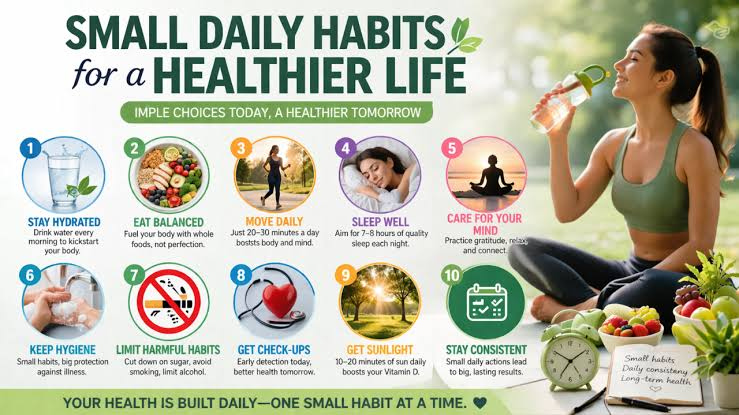
Success rarely happens overnight in one dramatic moment. More often, it is built quietly through small, positive actions repeated day after day. Whether you want to get healthier, learn a new skill, advance your career, or simply feel less stressed, the habits you practice every single day determine where you end up.
In 2026, with endless digital distractions and packed schedules competing for our focus, building good habits is your secret weapon. When an action becomes a natural habit, you no longer have to waste mental energy debating whether to do it—it simply becomes part of who you are.
Why Focus on Habits Instead of Just Motivation?

Motivation is a fantastic spark, but it is a unreliable source of energy. It comes and goes depending on your mood, sleep quality, and stress levels. Habits provide the reliable structure that keeps you moving forward even when motivation disappears.
Focusing on steady habit building delivers clear life benefits:
- Reduces everyday decision fatigue by turning positive actions into automatic routines.
- Keeps your progress consistent so you keep moving toward your goals every single week.
- Lowers stress and anxiety levels by bringing order, predictability, and calm to your day.
- Builds real self-confidence as you prove to yourself that you can stick to your word.
- Saves time and energy by cutting out the constant inner debate over starting a task.
- Delivers massive long-term growth through the quiet compounding power of daily effort.
10 Simple Strategies for Building Habits That Actually Stick
1. Start Super Small
The single biggest mistake people make is trying to flip their entire life upside down in one day. Massive changes trigger burnout and resistance, while tiny changes are so easy your brain won’t fight them.
- Instead of trying to read for an hour, commit to reading just two pages.
- Instead of planning a intense 60-minute workout, start with five pushups or a ten-minute walk.
- Instead of overhauling your entire diet, add one extra glass of water to your morning.
2. Set Specific, Clear Targets
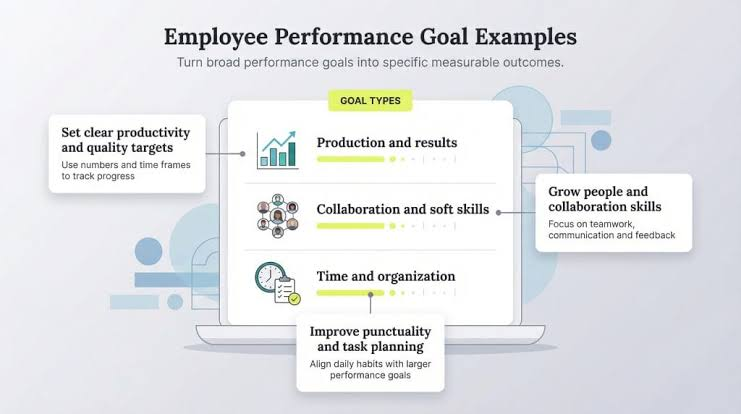
Vague intentions lead to vague results. Saying “I want to eat better” or “I need to exercise more” leaves too much room for procrastination. Give your new habit a clear time, place, and action.
- Weak target: “I will practice mindfulness.”
- Clear target: “I will sit quietly and breathe for three minutes right after I brew my morning coffee.”
3. Focus on One Habit at a Time
When feeling inspired, it is tempting to start journaling, waking up at 5 AM, eating clean, and running all in the same week. But juggling too many new routines exhausts your willpower fast. Master one single habit until it feels effortless before adding the next one.
4. Anchor New Habits to Existing Routines
You already have dozens of established habits, like brushing your teeth or making coffee. Piggyback your new habit onto an existing routine to create an automatic reminder.
- “After I brush my teeth, I will stretch for two minutes.”
- “While my morning tea brews, I will write down my top priority for the day.”
5. Keep Visual Track of Your Progress

There is something deeply satisfying about seeing a visual streak of your efforts. Use a simple wall calendar or a tracking app to mark off every day you complete your habit. Watching a streak grow creates positive momentum that you won’t want to break.
6. Clear Away the Common Distractions
If you rely purely on willpower to avoid distractions, you will eventually lose. Redesign your space so doing the right thing is easy and getting distracted is inconvenient.
- Want to read before bed? Place a book on your pillow and leave your phone in another room.
- Want to drink more water? Keep a filled water bottle sitting directly on your desk.
- Want to focus on deep work? Turn off phone alerts and close unnecessary browser tabs.
7. Give Yourself Small Everyday Rewards
Your brain loves positive feedback. Celebrating your small wins releases dopamine, which reinforces the habit loop and makes your brain want to repeat the action tomorrow.
- Enjoy a peaceful cup of coffee after your morning stretch.
- Take a relaxing break after finishing a focused writing block.
- Simply give yourself an enthusiastic mental high-five when you finish your routine.
8. Treat Missed Days as Lessons, Not Failures

Life gets busy, and you will eventually skip a day. Missing one day is an accident; missing two days is the start of a new bad habit. When you slip up, drop the guilt, figure out what tripped you up, and get right back on track the very next day.
9. Find an Accountability Partner
Sharing your intentions with someone else makes you far more likely to follow through. Find a friend, coworker, or family member who shares a similar goal, and send each other a quick text every day when you complete your target action.
10. Embrace the Power of Slow Patience
Real transformation takes time. Focus on the process rather than demanding instant outcomes. You might not see dramatic changes after one week, but after six months of steady effort, the cumulative results will amaze you.
Simple Daily Habits Worth Building
| Life Area | Easy Starting Habit | Long-Term Benefit |
| Physical Health | Walk for 10 minutes after lunch | Higher energy and better digestion |
| Mental Well-being | Write down 3 things you are grateful for | Sharper focus on the positive aspects of life |
| Career Growth | Read 15 minutes of industry news daily | Continuous skill building and fresh ideas |
| Financial Health | Review your bank balance every morning | Mindful spending and zero surprise bills |
Helpful Tools to Support Your Routines

While good habits come down to consistent personal action, the right tools can offer helpful structure and gentle reminders:
- Habit-Tracking Apps: Simple phone apps that send timely reminders and visually show your active daily streaks.
- Digital Calendars: Ideal for blocking out non-negotiable personal appointments with yourself.
- Paper Planners & Journals: Great for people who prefer writing down daily priorities and physically checking off completed tasks.
- Smart Device Reminders: Setting silent alarm triggers on your watch or phone to prompt your daily routines.
Habit-Building Trapdoors to Avoid
Even the best intentions can get derailed by a few common mistakes. Steer clear of these classic pitfalls:
- Relying on big bursts of motivation instead of building simple, repeatable systems.
- Making your goals so hard that skipping them feels tempting the moment you are tired.
- Expecting dramatic physical or mental results within the first few days.
- Beating yourself up over one missed day instead of simply resetting for tomorrow.
- Changing your routine every few days before the initial habit has time to lock in.
The Future of Personal Growth and Habit Building
As we move further through 2026, technology is making habit tracking far more personalized. Modern tools now offer smart behavioral insights, custom notification timing based on your stress levels, and supportive online communities. But no matter how advanced technology gets, the underlying truth stays the same: your life is shaped by what you consistently do every single day. Pick one small action today, stick with it, and let the results build over time.
Frequently Asked Questions (FAQs)
How long does it take to build a new habit?
The time varies from person to person, but consistency is more important than speed. Repeating a habit regularly helps it become part of your routine.
What is the best way to start building a habit?
Start with a small, realistic goal and perform it at the same time every day to build consistency.
Can technology help with habit building?
Yes. Habit-tracking apps, digital calendars, reminders, and productivity tools can help you stay organized and motivated.
4. What should I do if I miss a day?
Don’t let one missed day stop your progress. Restart your routine as soon as possible and focus on long-term consistency.