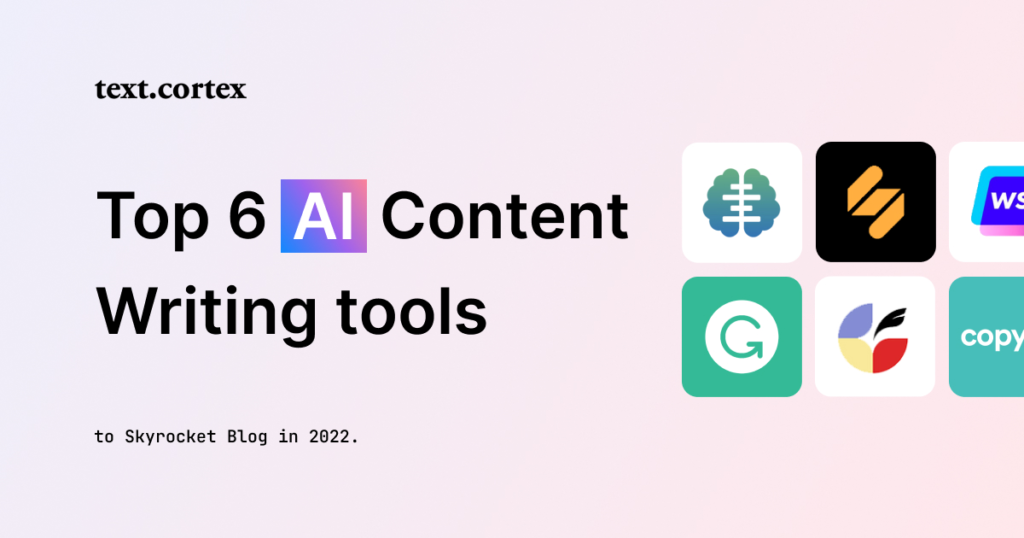
Artificial intelligence has radically transformed the way human beings approach written communication, turning long, painstaking drafting processes into agile, highly efficient workflows. In recent years, natural language processing models have evolved from simple spellcheckers into deeply context-aware creative partners capable of understanding tone, intent, nuance, and domain-specific terminology. Modern AI writing assistants do not merely assist with word choice; they actively help overcome writer’s block, structure complex ideas, execute deep research, and adapt complex information for diverse global audiences.
By integrating machine learning models directly into daily productivity workflows, today’s writing platforms eliminate mechanical friction points across the entire content lifecycle. Whether you are an enterprise marketer coordinating multi-channel brand campaigns, an academic researcher synthesizing dense literature, or an entrepreneur drafting investor communications, AI-driven language software provides unprecedented speed and precision. Adopting these intelligent tools is no longer just a trend—it has become a foundational skill for maintaining professional relevance in an information-rich environment.
Why AI Writing Tools Are Essential in Today’s Digital Ecosystem

In an era where digital channels demand a continuous stream of clear, engaging, and authoritative content, maintaining high production standards can quickly exhaust human capacity. AI writing tools bridge this operational gap by automating repetitive drafting and editing tasks without sacrificing clarity or strategic depth. Organizations can generate localized email sequences, publish optimized blog posts, and draft social media campaigns with unmatched speed and operational efficiency.
Beyond accelerating output volume, these platforms democratize clear communication for non-native speakers, busy executives, and technical experts who struggle to articulate complex concepts simply. By offering real-time tone detection, structural suggestions, and automated clarity adjustments, intelligent writing systems ensure that every written asset reflects professional polish. Delegating routine drafting and formatting chores to software frees up human intellect to focus on strategic direction, creative originality, and empathetic audience connection.
1. ChatGPT: The Flexible Multi-Purpose Language Partner
ChatGPT remains an industry benchmark for conversational versatility, long-form composition, and multi-disciplinary ideation. Powered by sophisticated large language models, it interprets complex user prompts to produce everything from detailed technical documentation and full-length articles to creative stories and software code. The platform’s adaptive conversational interface allows creators to refine tone, adjust formatting, and iteratively expand upon ideas through continuous dialogue.
For marketers, developers, educators, and enterprise leaders, ChatGPT functions as a dynamic digital sounding board that accelerates brain-storming and drafting alike. Its ability to summarize dense PDF reports, translate across dozens of global languages, and construct custom outline frameworks makes it an essential general-purpose assistant. It excels across almost any writing task that requires high adaptability and fast turnaround times.
2. Jasper AI: Purpose-Built Business and Marketing Copywriting
Jasper AI is engineered specifically to meet the rigorous demands of enterprise marketing teams, digital agencies, and commercial copywriters. By combining generative language capabilities with customizable brand voice profiles, Jasper produces marketing copy that adheres strictly to established brand guidelines. The platform offers specialized workflows for building high-converting landing pages, ad variations, email campaigns, and multi-part blog series with uncompromising brand consistency.
In fast-paced corporate environments, Jasper serves as a central hub for scaling branded communications without losing tone control. Its deep integration with search optimization engines and project management platforms allows cross-functional teams to collaborate on content initiatives seamlessly. It stands out as an enterprise-grade writing platform designed to drive measurable business outcomes.
3. Grammarly: Intelligent Style and Grammar Polish
Grammarly focuses on refining human expression by analyzing sentence structure, tone accuracy, vocabulary choices, and grammatical correctness in real time. Rather than generating raw text from scratch, it acts as an intelligent layer across your existing web applications, desktop software, and mobile devices, making sure every email, document, and post is clear and persuasive. Its advanced tone detection features help writers strike the exact right balance between professional authority and approachable warmth.
For students, corporate professionals, and remote teams, Grammarly provides a vital safety net that prevents embarrassing typos and confusing phrasing. Enterprise administrative controls allow organizations to enforce style guides, terminology preferences, and security compliance across entire departments automatically. It remains an indispensable real-time editing tool for maintaining everyday communication excellence.
4. Copy.ai: High-Velocity Commercial Copy Generation
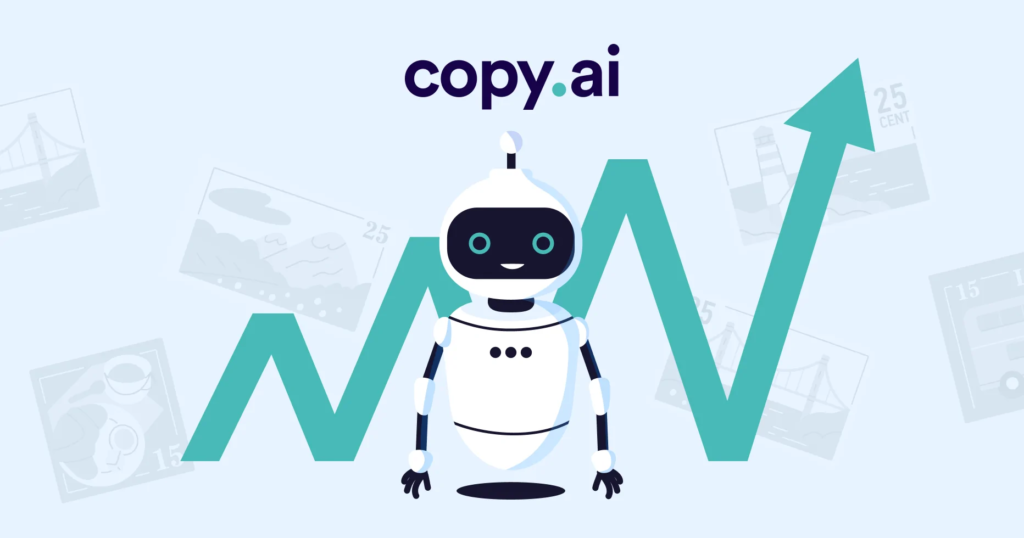
Copy.ai streamlines short-form content generation for e-commerce brands, social media strategists, and digital growth marketers who need high volumes of copy variations fast. By leveraging structured templates, users can input basic product details and generate dozens of compelling headline options, product descriptions, call-to-action buttons, and social captions in seconds. Its minimalist interface focuses heavily on removing friction from conversion copywriting.
The platform is particularly effective for testing creative variations across paid ad channels and social platforms. Marketers can rapidly produce multivariate messaging options to see which value propositions resonate best with target audiences, significantly cutting down campaign setup times. Copy.ai delivers an agile, performance-oriented writing environment tailored for digital sales growth.
5. Writesonic: Data-Informed SEO and Web Content
Writesonic pairs generative text creation with real-time web search capabilities and search engine optimization data to build authoritative, ranking-ready digital content. Designed for bloggers, SEO agencies, and web publishers, Writesonic can draft structured long-form articles complete with relevant subheadings, external references, and targeted keyword placement. The platform helps creators build articles that satisfy both human readers and search engine indexing algorithms.
By scanning top-performing web pages during the generation process, Writesonic ensures that drafted content reflects current facts, industry terminology, and trending search intent. Its integrated editing tools allow writers to rephrase weak sections, expand thin points, and polish final drafts prior to web publishing. It serves as a powerful content optimization pipeline for digital visibility.
6. Rytr: Budget-Friendly Writing for Freelancers and Teams

Rytr offers a accessible, lightweight AI writing experience that delivers fast, high-quality copy generation without complex software setups or high subscription costs. Featuring over thirty localized tone choices and support for dozens of languages, Rytr helps creators draft professional emails, blog outlines, cover letters, and social media updates directly from an uncomplicated browser editor. Its built-in plagiarism checker provides added peace of mind regarding content originality.
Freelancers, small business owners, and independent creators rely on Rytr for quick day-to-day writing support when budget efficiency is a priority. The platform’s simple interface lets users highlight existing text to expand, shorten, rephrase, or correct grammar with a single click. Rytr represents a dependable, cost-effective writing utility for routine drafting needs.
7. Notion AI: Workspace-Integrated Productivity and Notes
Notion AI embeds generative intelligence directly into a unified workspace dedicated to note-taking, project documentation, and knowledge management. By operating right where teams keep their research and project plans, Notion AI can instantly summarize long meeting notes, pull action items, draft project proposals, and translate documentation without context switching. This seamless workspace integration delivers unrivaled operational productivity for modern remote teams.
Project managers, product designers, and operations leads benefit from having an AI assistant that understands their internal company wiki and project databases. Writers can turn raw, scattered bullet points into clean, organized project updates with simple keyboard commands. Notion AI acts as a smart documentation assistant that keeps organizational knowledge accessible and well-structured.
8. QuillBot: Advanced Academic Paraphrasing and Synthesis
QuillBot specializes in text transformation, sentence restructuring, and vocabulary enrichment while carefully preserving the underlying meaning of the original source text. Widely used across academic, research, and technical environments, QuillBot provides specialized paraphrasing modes—such as Formal, Simple, Creative, and Academic—that adjust sentence complexity to suit specific publication formats. Its integrated citation generator and summarizer help researchers synthesize dense academic material efficiently.
For researchers, students, and ESL professionals, QuillBot serves as an invaluable tool for refining technical prose and improving sentence flow. Users can paste dense, convoluted paragraphs and receive clean, highly readable alternatives that elevate the clarity of their writing. It remains a trusted language refinement engine for rigorous formal composition.
9. Wordtune: Sentence Restructuring and Tone Customization
Wordtune acts as a precise re-writing tool that offers multiple phrasing alternatives for individual sentences rather than generating broad, hands-off paragraphs. By analyzing the contextual meaning of your text, Wordtune suggests fresh structural options, idiomatic phrasing, and tone adjustments that help communicate ideas with clarity. Its unique ability to expand or condense specific sentences allows writers to fine-tune rhythm and readability.
Business professionals and executive communicators rely on Wordtune to craft impactful emails, pitch decks, and executive memos where word choice carries high stakes. The software works directly within web browsers, word processors, and email clients, offering real-time suggestions as you type. Wordtune is a tactical writing companion focused on polishing style, impact, and flow.
10. Frase: Search-Driven Content Research and Briefing

Frase merges competitive search analysis with AI-driven text generation to streamline the entire lifecycle of SEO-focused web content creation. By analyzing top-ranking search results for any target query, Frase automatically builds detailed content briefs, identifies key topic gaps, and answers common user questions. Its integrated AI writer then generates structured draft sections aligned with proven search performance metrics.
Content strategists, managing editors, and SEO specialists utilize Frase to accelerate the research phase of content creation significantly. Rather than spending hours manually auditing competitor articles, writers receive a clear roadmap detailing ideal word counts, topic depth, and keyword integration strategies. Frase functions as an analytically driven content creation suite built to capture digital market share.
Key Capabilities to Evaluate in Language Applications
Choosing the right AI writing tool requires evaluating specific technical capabilities against your actual publishing goals. Understanding the differences in output control, integration depth, and research processing helps prevent workflow bottlenecks.
| Feature Category | Core Capability | Primary User Benefit |
| Brand Customization | Custom style guides, voice profiles & vocabulary rules | Maintains consistent tone across large, multi-author teams. |
| Context Processing | Multi-document upload, long-context windows & search sync | Enables accurate synthesis of dense internal research. |
| Workflow Integration | Native browser extensions, API access & CMS sync | Allows direct drafting inside existing email and web tools. |
| Plagiarism & Fact Auditing | Real-time source verification & original text checks | Ensures published content is trustworthy and original. |
Aligning these functional capabilities with your specific output demands ensures maximum productivity and writing quality.
Best Practices for Responsible and Effective AI Writing
While modern writing tools provide incredible drafting speed, human oversight remains essential for producing truly exceptional, authentic content. Treat generative platforms as powerful research and drafting partners rather than hands-off replacements for human judgment. Always audit generated facts, figures, and citations, as machine learning models can occasionally state outdated or inaccurate information with complete confidence.
Furthermore, focus heavily on injecting personal experience, unique brand perspectives, and original storytelling into AI-generated drafts. Use language software to build structural outlines, rephrase awkward paragraphs, and handle basic research synthesis, but preserve your unique voice and empathetic connection with the reader. Combining computational efficiency with human insight produces written work that is both highly informative and genuinely engaging.
Emerging Trends Reshaping the AI Writing Industry
The landscape of automated text creation continues to evolve rapidly through advancements in multi-modal processing, personalized style modeling, and automated workflow integration. Language assistants are increasingly moving beyond basic text generation to understand visual inputs, data spreadsheets, and audio recordings, turning raw multi-media inputs into structured, multi-format written reports.
Simultaneously, enterprise platforms are focusing heavily on privacy-first architecture, ensuring that proprietary company data used to train local brand models remains secure and confidential. As localized AI models become lighter and faster, writing tools will offer real-time, offline editing support directly on personal hardware. The future of written communication belongs to human-AI creative partnerships that blend computational speed with human warmth, artistic style, and critical thought.