We have all been there: you sit down at your desk at 9 AM with the best intentions, answer a barrage of emails, sit through three back-to-back meetings, put out a few fires, and suddenly it’s 5 PM. You are completely exhausted, yet you look at your to-do list and realize you didn’t actually touch your most important project of the day.
It is so easy to fall into the trap of mistaking constant busyness for real accomplishment. Modern work culture conditions us to react instantly to every ping, notification, and last-minute request, leaving us drained and overwhelmed. But true productivity isn’t about pulling late nights, drinking a third cup of coffee, or forcing yourself to hustle harder. It is about protecting your focus, managing your natural energy, and building simple daily habits that make getting things done feel natural and manageable.
Productivity Blueprint: Core Tactics at a Glance
If you want a quick snapshot of how these time management tactics fit into a normal day, here is how they break down:
| Strategy | What It Focuses On | Best Time to Use It | The Real-World Benefit |
| Time Blocking | Calendar Control | Beginning of your week or day | Stops constant app-switching and mental fatigue |
| The Rule of Three | Daily Priorities | First 10 minutes of your morning | Prevents overwhelmed feelings from huge to-do lists |
| The Two-Minute Rule | Micro-Task Cleanup | Throughout your working day | Clears small chores before they pile up |
| Notification Batching | Focus Defense | Set daily check-in windows | Gives you unbroken hours for deep, uninterrupted work |
| Energy Matching | Natural Body Clock | Align with your peak energy hours | Gets hard tasks done faster with less effort |
| Weekly Review | System Maintenance | Friday afternoon before logging off | Completely eliminates the dreaded “Sunday Scaries” |
Time Management Strategies That Actually Work

Time is the one thing we can’t make more of, yet it is so easy to hand over the keys to our schedule to whoever happens to send an email or ping us on chat. Reclaiming your workday starts with putting a few simple guardrails around your time.
┌────────────────────────────────────────────────────────┐
│ 1. MORNING ALIGNMENT                                   │
│    Pick your top 3 non-negotiables for the day         │
└───────────────────────────┬────────────────────────────┘
                            │
                            ▼
┌────────────────────────────────────────────────────────┐
│ 2. PEAK ENERGY TIME-BLOCK                              │
│    Focus on hard tasks during your best brain hours    │
└───────────────────────────┬────────────────────────────┘
                            │
                            ▼
┌────────────────────────────────────────────────────────┐
│ 3. BATCHED MESSAGES & QUICK FIXES                      │
│    Answer emails and clear two-minute chores in windows│
└───────────────────────────┬────────────────────────────┘
                            │
                            ▼
┌────────────────────────────────────────────────────────┐
│ 4. EVENING SHUTDOWN & REVIEW                           │
│    Clear your desktop and set tomorrow's main goals    │
└────────────────────────┘
Time Blocking: Giving Your Day Structure
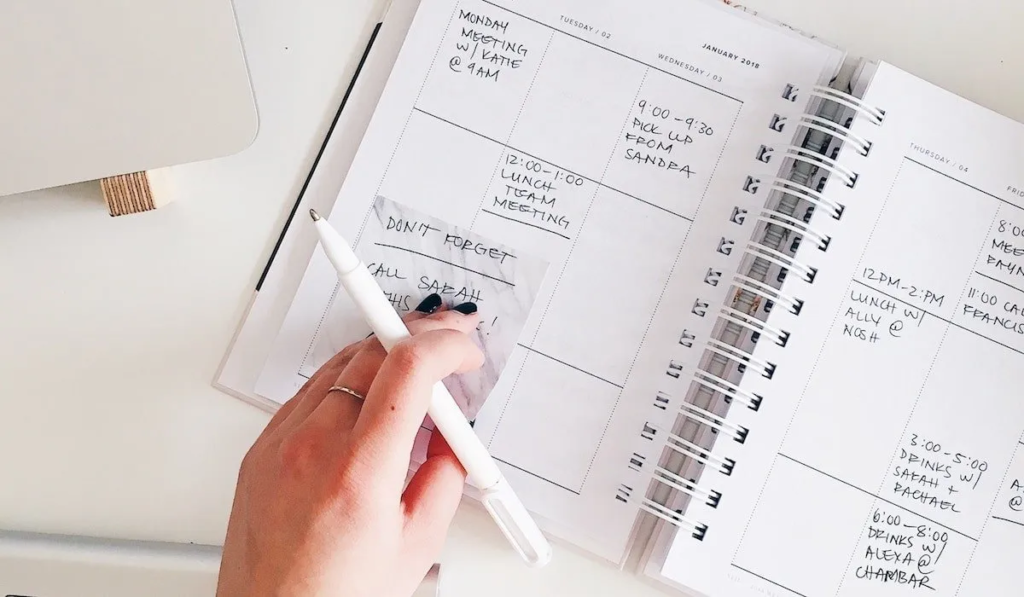
Working off an endless, messy to-do list is a fast track to decision fatigue. Time blocking turns your calendar into a realistic, visual map of your day. Instead of vaguely hoping to “work on the presentation,” you carve out a specific block of time—say, 10:00 AM to 11:30 AM—dedicated solely to that task.
When you assign specific hours to specific jobs, you give yourself permission to ignore every other task until that time block is up. This simple shift stops context switching—the exhausting mental toll of constantly bouncing between chat apps, browser tabs, and incoming emails.
- How to Start: Lock in two 90-minute blocks on your calendar each day for important, uninterrupted work. Treat those blocks like an unmissable doctor’s appointment or meeting with your boss.
The Rule of Three: Simplifying Your Daily Goals
Staring at a task list with thirty items on it can make you feel paralyzed before you even start. The Rule of Three restores sanity by forcing you to pick what actually matters most today.
Every morning before you open your inbox or dive into team chats, ask yourself: “If I could only get three things done today before calling it quits, which three would make me feel genuinely accomplished?” Write those three items down on a physical sticky note and stick it right on your monitor.
- Why It Works: Getting three important things done every single day builds incredible, consistent momentum. Even if the afternoon turns chaotic with unexpected fires, you can close your laptop knowing you moved the needle on what mattered.
The Two-Minute Rule: Clearing Micro-Clutter
Tiny, nagging chores—like confirming a meeting time, replying with a quick ‘yes’, or filing a receipt—have a sneaky habit of piling up. Left unchecked, they form a cloud of mental clutter that hangs over your head all day.
The Two-Minute Rule gives you an immediate rule of thumb: if a task lands in front of you and literally takes under two minutes to complete, do it right away instead of saving it for later.
- The Mindset Shift: Knocking out tiny tasks on the spot keeps your inbox manageable, prevents micro-procrastination, and keeps your mind clear for heavier lifting.
Mastering Focus and Energy Control
Managing your calendar is only half the battle; managing your mental focus and physical energy is where the magic really happens. You can have three open hours on your calendar, but if your brain feels like fried eggs, you won’t get much done.
Notification Batching: Muting the Noise
Our phones and work apps are designed to steal our attention. Every ping, pop-up, or red badge triggers a tiny hit of curiosity that compels us to stop what we are doing and check the screen.
Notification batching breaks that constant distraction loop by muting non-essential alerts. Instead of checking messages every five minutes, you pick two or three set windows a day (like 11:00 AM and 3:30 PM) to catch up on email and chats all at once.
- The Reality Check: Very few emails actually require a response within 90 seconds. Batching your messages protects your flow state and trains people to expect thoughtful, quality replies from you rather than hasty, distracted reactions.
Single-Tasking: Dropping the Multitasking Myth
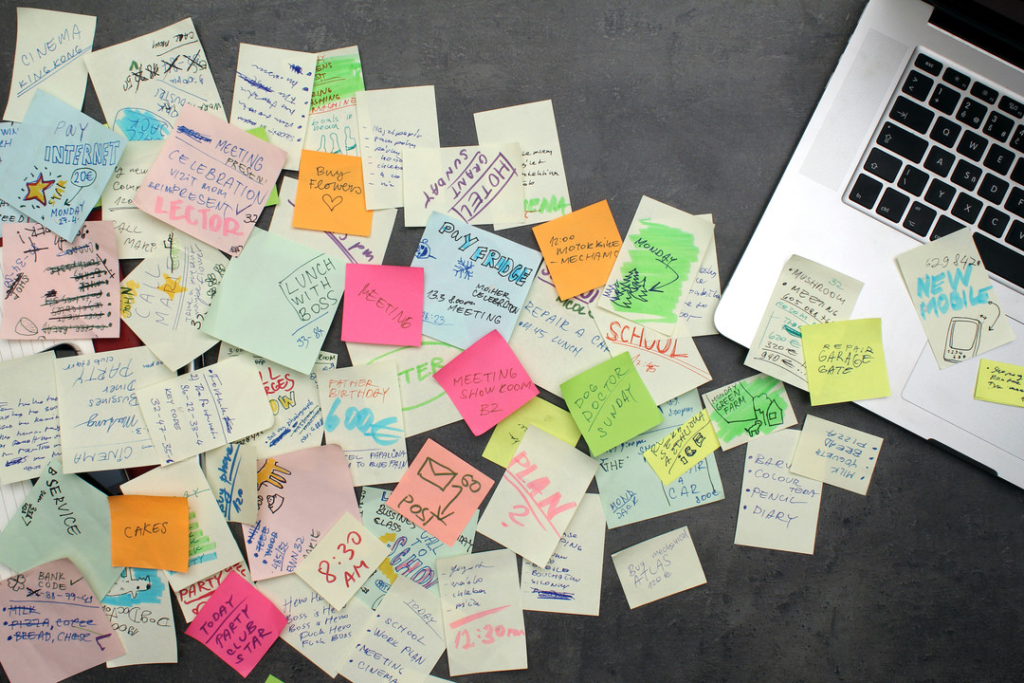
We like to think we are great at juggling five things at once, but science shows our brains are actually just rapidly switching between tasks. This “task jumping” wears out your brain and increases errors.
Single-tasking is the intentional art of giving 100% of your attention to one single thing until it’s done or your timer goes off. When you close extra browser tabs, put your phone face-down, and focus on one task, you hit a groove where work suddenly feels easier and gets done in half the time.
Energy Matching: Working With Your Natural Rhythm
Not all hours of the day feel the same. Trying to write a complex proposal or figure out a tough problem during your 2:00 PM afternoon slump is like driving with the parking brake on—it takes double the effort for half the result.
Energy matching means aligning your work with your body clock. If you are a morning person whose brain is sharpest between 8:00 AM and 11:00 AM, guard those hours fiercely for your hardest, most creative, and analytical tasks.
- Use the Slump Wisely: Save low-brainpower administrative chores—like filing expense reports, organizing digital folders, or cleaning out your inbox—for your natural low-energy afternoon slump.
Systems and Automation: Making Work Feel Effortless
Relying on pure willpower to stay organized is exhausting. Highly effective people don’t have super-human willpower; they just build simple systems and reusable templates that do the heavy lifting for them.
Template Creation: Stop Reinventing the Wheel
If you find yourself typing out similar emails, building similar slide decks, or outlining similar project plans every week, you are wasting precious mental energy starting from scratch.
Building a personal library of simple templates lets you hit the ground running. Save standard text snippets for common client replies, create outline checklists for weekly projects, and keep a master document for meeting notes.
- The Long-Term Win: Spending fifteen minutes setting up a clean template today will save you countless hours of tedious work over the rest of the year.
Digital Cleanup: Clearing Visual Stress
Visual clutter creates subtle, underlying stress. Opening your laptop to a desktop covered in dozens of loose screenshots, old PDFs, and random files quietly drains your mental focus before your day even starts.
Practicing basic digital hygiene keeps your workspace feeling fresh. Spend two minutes at the end of every day clearing off your main desktop, dumping temporary downloads into a single folder, and relying on search bars rather than nesting files inside fifteen confusing subfolders.
The Weekly Review: The Ultimate Friday Ritual
The best cure for the “Sunday Scaries”—that nagging feeling of anxiety about the upcoming workweek—is spending fifteen minutes every Friday afternoon doing a quick Weekly Review.
- Step 1: Clear out your inbox or move actionable items to your task list.
- Step 2: Look over the past week to ensure no loose ends or promised deliverables were forgotten.
- Step 3: Glance at next week’s calendar, set your top three priorities for Monday, and close your laptop with complete peace of mind.
Common Productivity Traps to Watch Out For
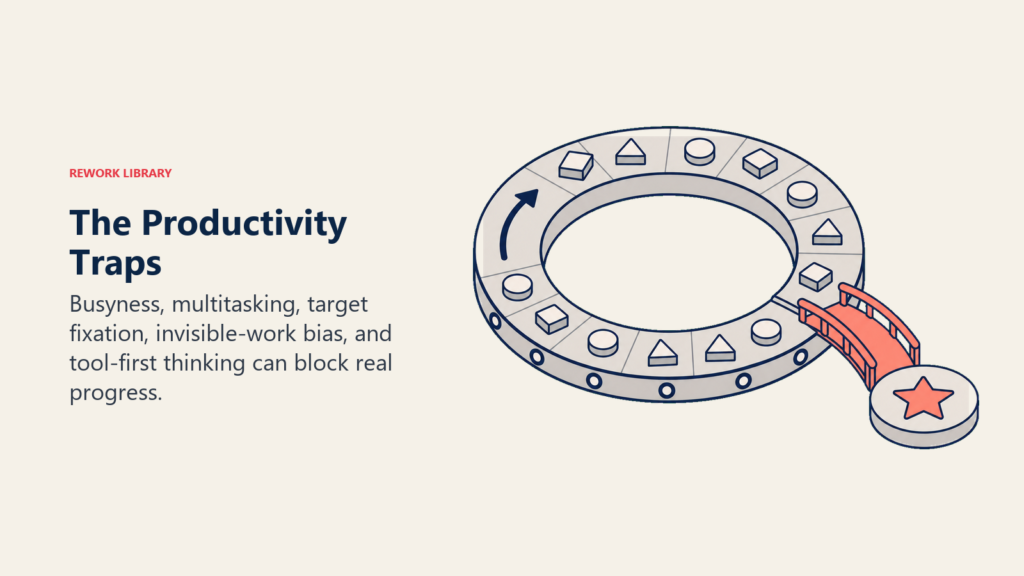
As you build better work habits, keep an eye out for these sneaky traps that can trip you up:
- Confusing Activity with Actual Progress: Spending an hour tweaking colors on a project board feels like work, but it’s often just sneaky procrastination keeping you from hard tasks.
- Over-Packing Your Calendar: Blocking out every single minute of your day leaves zero wiggle room for traffic, emergencies, or just getting a glass of water. Always leave 20% of your day open.
- Skipping Real Rest: True productivity requires real downtime. Working through lunch or reading work emails in bed burns you out and destroys your focus over time.
Sustainable Productivity for the Long Haul
At the end of the day, managing your time isn’t about becoming a robot that churns through tasks at lightning speed. It’s about creating healthy boundaries, protecting your energy, and building simple routines that make your workday feel calm and under control. When you take charge of your schedule, match your work to your energy, and eliminate daily friction, work becomes a lot less stressful and far more enjoyable.