
The digital world is filled with powerful tools Tool Battles designed to simplify work, enhance creativity, improve productivity, and make everyday tasks easier. From AI assistants and content creation platforms to project management applications and design software, users have more choices than ever before. However, with so many options available, selecting the right tool can become challenging.
Tool Battles bring different digital applications into a direct comparison, helping users understand their strengths, weaknesses, features, pricing, and practical performance. Instead of relying only on promotional claims, users can explore how competing tools perform in real-world situations and identify which one best suits their needs.
Whether you are a student searching for a learning assistant, a creator choosing an editing platform, a professional exploring productivity software, or a business comparing automation solutions, tool comparisons can help you make smarter decisions.
What Are Tool Battles?
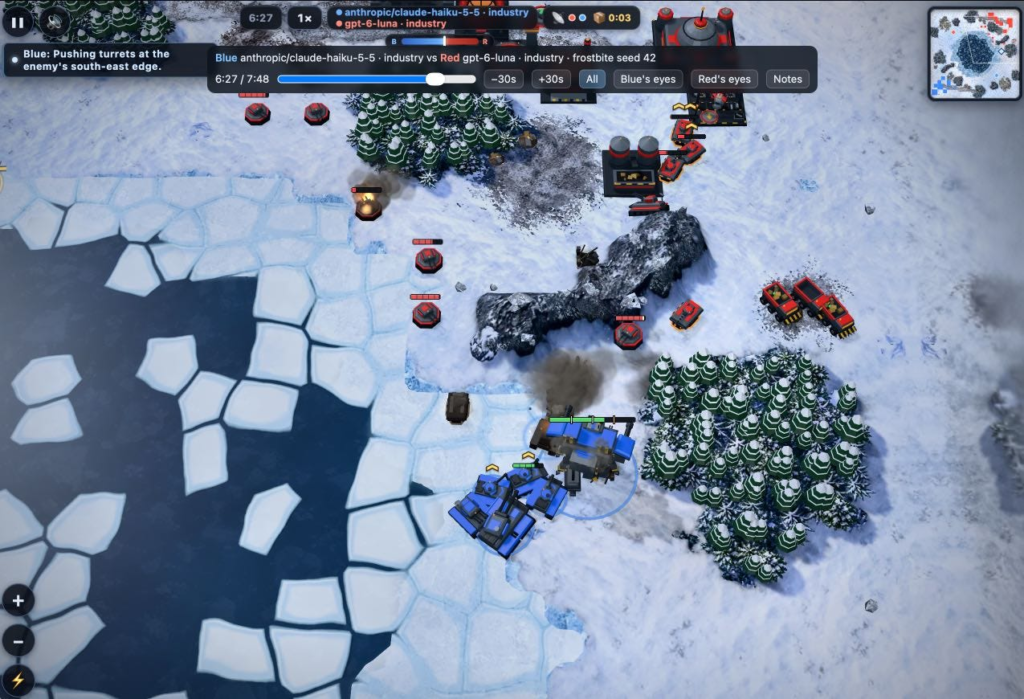
Tool Battles are structured comparisons between two or more digital tools based on their features, performance, usability, pricing, and overall value. The purpose is to help users understand the differences between competing applications and determine which option is more suitable for a specific task.
A Tool Battle may compare AI writing assistants, image generators, video editing software, productivity platforms, cybersecurity applications, or business tools.
Key Elements of a Tool Battle
- Feature Comparison: Examining the capabilities offered by each tool.
- Performance Analysis: Evaluating speed, reliability, and output quality.
- Ease of Use: Understanding how beginner-friendly the interface is.
- Pricing Comparison: Reviewing free plans, subscriptions, and additional costs.
- Use Case Evaluation: Identifying which tool suits different tasks.
- Advantages and Limitations: Highlighting strengths and weaknesses.
- Final Verdict: Providing a practical recommendation based on user needs.
Tool Battles help readers move beyond popularity and focus on meaningful differences.
Why Tool Battles Matter in 2026
Technology is evolving rapidly, and digital applications are continuously introducing new features, AI capabilities, integrations, and pricing plans. A tool that was suitable last year may no longer be the best option for a particular workflow.
Comparisons help users understand these changes and choose applications that provide genuine value.
Major Benefits of Tool Battles
| Benefit | How It Helps |
|---|---|
| Better Decision-Making | Helps users compare alternatives |
| Time Savings | Reduces the need to test every tool independently |
| Cost Efficiency | Identifies suitable free and affordable options |
| Feature Awareness | Reveals useful capabilities |
| Improved Productivity | Helps users select tools for specific workflows |
| Reduced Confusion | Makes complex software choices easier |
| Practical Understanding | Explains real-world applications |
Important pointer: The best tool is not always the one with the most features. It is the one that performs the required task effectively and fits the user’s budget and workflow.
AI Tool Battles: Comparing Intelligent Assistants
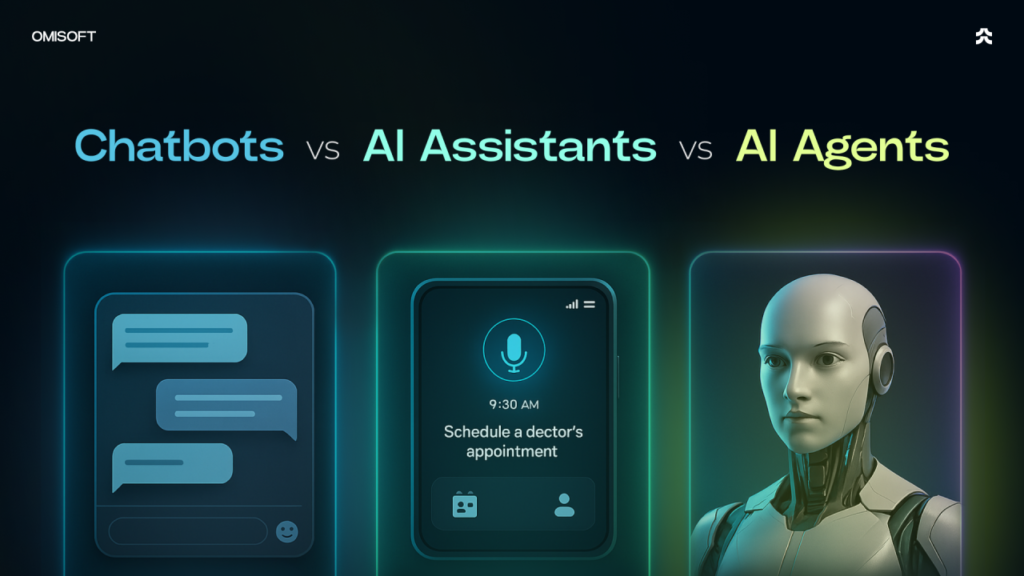
AI assistants are among the most widely discussed digital tools. They can support writing, research, brainstorming, coding, summarization, planning, and other activities.
Different AI assistants may offer different strengths depending on their models, integrations, interfaces, and available features.
ChatGPT vs Gemini
<AsyncImageGroup query={[“ChatGPT AI assistant interface”,”Google Gemini AI assistant interface”]} layout=”carousel” aspectRatio=”1:1″ numPerQuery={1} />
ChatGPT and Gemini are popular AI assistants that can support a variety of everyday and professional tasks. Their features and capabilities may change over time, so users should compare current versions rather than relying on older reviews.
| Comparison Factor | ChatGPT | Gemini |
|---|---|---|
| General Assistance | Writing, reasoning, brainstorming | Writing, reasoning, brainstorming |
| Content Creation | Supports content drafting and editing | Supports content drafting and editing |
| Research | Depends on available features and sources | Depends on available features and sources |
| Integrations | Varies by plan and connected services | May integrate with Google services |
| Best Use | Depends on workflow and preferences | Depends on workflow and preferences |
Who should choose which?
Users who already rely on a particular ecosystem may prefer an assistant that integrates naturally with their applications. Others may choose based on response quality, features, ease of use, privacy, and subscription cost.
The most useful comparison is to test both tools with the same prompts and evaluate the results.
Writing Tool Battles: Which Tool Creates Better Content?

AI writing applications can help users develop articles, social media posts, emails, scripts, and marketing materials.
General AI Assistant vs Specialized Writing Tool
A general AI assistant can support many tasks, while a specialized writing platform may focus on grammar, style, SEO, or brand consistency.
| Feature | General AI Assistant | Specialized Writing Tool |
|---|---|---|
| Versatility | Supports multiple task types | Focuses on writing-related tasks |
| Content Drafting | Broad content generation | May offer structured writing features |
| Editing | Depends on available capabilities | Often provides writing-focused editing |
| SEO Features | May require specific instructions | May include dedicated SEO functions |
| Ease of Use | Flexible prompt-based workflow | Often structured for writers |
| Best For | General content needs | Specific writing workflows |
When comparing writing tools, evaluate readability, factual accuracy, editing quality, customization, and the amount of human revision required.
Design Tool Battles: Creativity Meets Functionality
Design applications help users create graphics, presentations, marketing visuals, social media content, illustrations, and digital interfaces.
<AsyncImageGroup query={[“Canva graphic design editor”,”Adobe Express design editor”]} layout=”carousel” aspectRatio=”1:1″ numPerQuery={1} />
Canva vs Adobe Express
Canva and Adobe Express are popular design platforms that offer tools for creating visual content. Their available features, plans, and integrations can differ.
| Comparison Factor | Canva | Adobe Express |
|---|---|---|
| Design Templates | Wide range of templates | Wide range of templates |
| Social Media Graphics | Supported | Supported |
| Beginner Accessibility | Designed for accessible workflows | Designed for accessible workflows |
| Creative Features | Vary by plan | Vary by plan |
| Ecosystem | Canva platform | Adobe ecosystem |
| Best Use | Depends on design workflow | Depends on design workflow |
Users should compare template availability, brand kits, collaboration features, export options, AI capabilities, and pricing before choosing.
Productivity Tool Battles: Organize Work Smarter
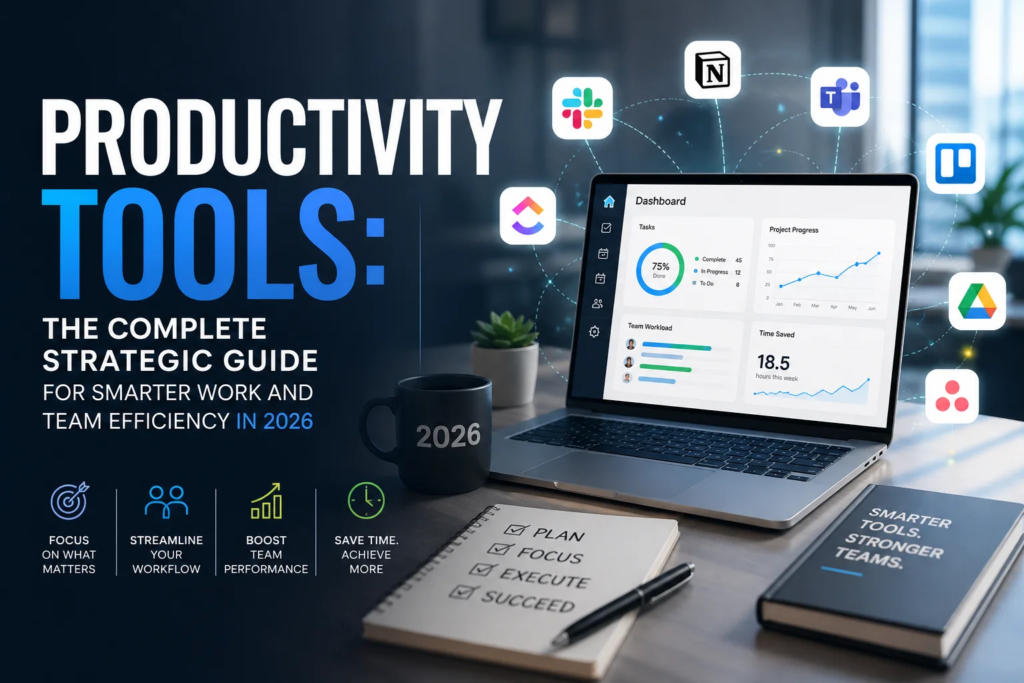
Productivity tools help users manage tasks, projects, notes, schedules, and team collaboration. The right platform can improve organization and reduce unnecessary work.
Notion vs Trello
<AsyncImageGroup query={[“Notion workspace dashboard”,”Trello kanban project board”]} layout=”carousel” aspectRatio=”1:1″ numPerQuery={1} />
Notion and Trello are often used to organize work, but their approaches can differ. Notion supports flexible workspaces for documents, databases, and planning. Trello is known for visual boards and card-based task management.
| Comparison Factor | Notion | Trello |
|---|---|---|
| Workspace Structure | Flexible pages and databases | Boards, lists, and cards |
| Task Management | Supported | Core focus |
| Documentation | Strong workspace capabilities | More board-centered |
| Visual Workflow | Multiple views available | Kanban-style workflow |
| Best For | Connected notes and project spaces | Visual task tracking |
Teams should consider workflow complexity, collaboration needs, customization, integrations, and ease of adoption.
How to Conduct a Fair Tool Battle
A reliable comparison requires a consistent evaluation method. Comparing tools using different tasks or assumptions can produce misleading results.
Step-by-Step Comparison Process
1. Define the Goal
Determine what you want to compare. For example, the goal may be writing quality, video editing speed, or task management efficiency.
2. Select Relevant Tools
Choose tools that genuinely compete within the same category.
3. Use the Same Test
Provide the same prompt, input, project, or task to each tool.
4. Evaluate Important Criteria
Consider features, performance, usability, pricing, reliability, and output quality.
5. Test Real-World Use Cases
A tool may perform well in a demonstration but behave differently during everyday use.
6. Compare Limitations
Identify restrictions such as usage caps, export limitations, watermarks, or paid-only features.
7. Provide a Practical Verdict
Recommend a tool based on specific user needs rather than declaring a universal winner.
Tool Battle Scoring Framework
| Evaluation Criteria | Suggested Weight |
|---|---|
| Feature Quality | 25% |
| Performance | 20% |
| Ease of Use | 15% |
| Pricing and Value | 15% |
| Reliability | 15% |
| Integrations | 10% |
| Total | 100% |
Weights can be adjusted according to the category. For example, security may be more important when comparing business applications.
Common Mistakes to Avoid in Tool Battles

Tool comparisons can become misleading when they focus only on popularity, price, or promotional features.
| Common Mistake | Better Approach |
|---|---|
| Choosing based only on brand popularity | Evaluate practical performance |
| Comparing different tool categories | Compare similar applications |
| Ignoring free plan limitations | Review usage restrictions |
| Using outdated information | Check current official details |
| Declaring a universal winner | Recommend by use case |
| Ignoring user experience | Test the actual interface |
| Overlooking privacy | Review data handling policies |
| Focusing only on features | Evaluate overall value |
Important pointer: Tool pricing and features change frequently. Always verify current information from official websites before making a purchase.
The Future of Tool Battles
As technology continues to evolve, Tool Battles may become more detailed, interactive, and personalized. Users may compare applications through standardized tests, real-time feature evaluations, performance benchmarks, and workflow-based demonstrations.
AI-powered comparison systems may help identify tools based on specific requirements such as budget, skill level, task type, and preferred integrations.
Future comparisons will likely focus more on practical outcomes than feature lists. For example, users may want to know how much time a tool saves, how accurately it completes tasks, or how well it integrates into their existing workflow.
Transparent testing, current information, and unbiased evaluation will remain essential for useful tool comparisons.
Tool Battles provide a practical way to explore digital applications and understand which tools offer the best value for different needs. By comparing AI assistants, writing platforms, design software, productivity applications, and other digital solutions, users can make more informed decisions.
The right comparison considers features, performance, usability, pricing, limitations, and real-world results. Instead of choosing a tool simply because it is popular, users should identify the application that solves their specific problem effectively.
In a world filled with digital choices, Tool Battles help users discover smarter solutions, reduce confusion, and build more efficient workflows.
Frequently Asked Questions (FAQs)
1. What are Tool Battles?
Tool Battles are comparisons between digital tools that evaluate features, performance, pricing, usability, and overall value.
2. Why are tool comparisons useful?
They help users understand differences between applications and select tools that suit their needs.
3. Which factors should be compared in a Tool Battle?
Important factors include features, performance, ease of use, pricing, reliability, integrations, and privacy.
4. Are Tool Battles suitable for beginners?
Yes. Beginner-friendly comparisons explain the differences between tools using simple language and practical examples.
5. How can I choose the winner of a Tool Battle?
Choose the tool that performs best for your specific requirements, budget, and workflow rather than relying on a universal ranking.