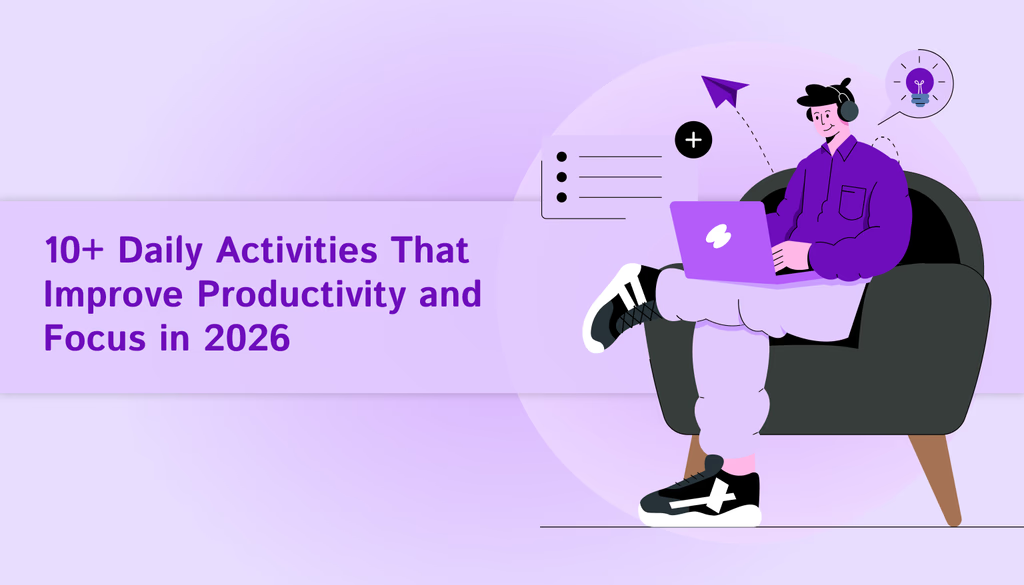
We have all been sold the lie that productivity means working 24/7, running on caffeine, and cramming your schedule until it bursts. But constantly reacting to notifications and juggling twenty open browser tabs doesn’t mean you’re achieving real results—it just means you’re exhausted.
True productivity isn’t about doing more things; it is about doing the right things with clear focus and high energy. In 2026, where digital distractions are smarter and more invasive than ever, staying focused requires a deliberate strategy. By making small, human-centered adjustments to how you manage your time, protect your focus, and structure your day, you can double your daily output while actually lowering your stress levels.
Here is how you can cut through the noise, reclaim control of your schedule, and build a sustainable productivity routine that works every single day.
Ditch the Multitasking Lie and Master One Thing at a Time

We’ve all been sold a complete lie about multitasking. We treat our ability to juggle twenty browser tabs, answer a Slack message, and draft a strategy doc all at once like some kind of extreme sport badge of honor. But let’s be real with ourselves: our brains just aren’t wired for it. When you think you’re knocking out three things at once, you’re actually just flicking your attention back and forth at lightning speed. It’s exhausting, it fries your brain by mid-afternoon, and it causes silly mistakes that take twice as long to fix later. Every single time you pause what you’re doing to skim a notification, you leave behind a little bit of your mental bandwidth, making it way harder to get back into the groove.
If you actually want to get work done and still have energy left over for a life after 5 PM, you have to practice single-tasking. Pick one solid thing, lock in, throw up your mental shield, and stay there until it’s finished.
- Kill the pings and pops: Mute every single non-vital notification on your phone and laptop before you dive into heavy work.
- Keep your browser clean: Close every single tab that isn’t directly related to the exact thing you are working on right now.
- Define what finished looks like: Before you start typing or clicking around, decide exactly what a completed task looks like so you don’t fall into the trap of endless tweaking.
When you allow yourself to sink deep into a single problem without distraction, work stops feeling like an uphill grind and starts feeling like smooth execution. You get faster, your work gets sharper, and your brain stays fresh.
Pick Your Battles and Do the Big Stuff First

Let’s be honest: spending two hours organizing desktop folders or color-coding your digital notes feels fantastic. It gives you that quick hit of accomplishment, but deep down, you know it’s just productive procrastination. True daily output isn’t about clearing out easy micro-tasks; it’s about doing the hard, scary stuff that actually shifts your work forward. You need to identify your absolute Most Important Task (MIT) every single day—the one thing that, if you got it done, would make today a massive win—and hit it early.
If you block out a dedicated deep-work window first thing in the morning when your mind is quiet, you guarantee progress on major goals, no matter what kind of chaos, unannounced meetings, or emergency emails pop up later in the afternoon.
- Ask the hard question every morning: Look at your to-do list and ask, “If I could only get one thing done today before getting dragged into meetings, which one actually matters?”
- Block off non-negotiable focus time: Protect a 90-minute slot on your calendar every morning exclusively for high-impact effort, and treat it like a doctor’s appointment.
- Work with your natural energy: Tackle your most complicated, brain-draining tasks when your mental clarity is naturally at its peak, not late in the day when you’re completely wiped out.
Most people spend their freshest morning hours reacting to everyone else’s requests, saving their hardest strategic thinking for late afternoon when their brain is mush. Flipping that script changes everything. Getting the big stuff out of the way first gives you instant relief and sets an empowered tone for the rest of your day.
Take Control of Your Workspace and Put the Phone Away
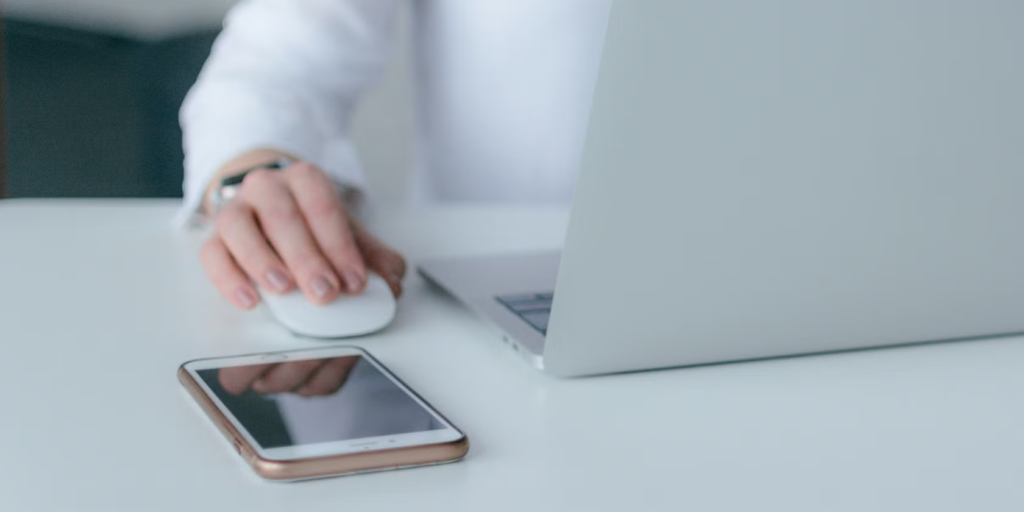
Your phone is literally engineered by armies of developers whose only job is to steal your attention. Even if it’s sitting face down next to your keyboard, a small part of your subconscious mind is constantly whispering, “Check me, what if someone texted?” That creates an invisible, constant mental strain as your brain wastes energy fighting off the urge to reach out and grab it.
Fixing your physical space is the fastest, easiest way to protect your concentration. If you remove the temptation completely, you don’t have to rely on brute willpower to stay focused, because willpower runs out fast.
- Put your phone in another room: Put it in a drawer, drop it in your bag, or leave it in the kitchen during focus blocks.
- Turn on grayscale mode: Strip the bright visual colors from your screen so social feeds and badges look boring and unappealing.
- Clear off your physical desk: Keep your immediate physical workspace free of random papers, trash, and clutter so your mind stays calm and clear.
Productivity rarely comes down to having incredible self-discipline; it comes down to smart environment setup. If you constantly test your willpower against open tabs and buzzing phones, the phone will win. Build a clean space where quiet focus is the easiest path available.
Stop Answering Messages All Day Long and Start Batching

Constantly stopping what you’re doing to reply to emails, Slack pings, or direct messages will completely wreck your mental flow. The second you live in your inbox, you hand over the steering wheel of your day to other people’s agendas. You end up reacting all day instead of actually building anything meaningful.
Batching is simply taking all those small, routine administrative items and tackling them all at once during specific times of the day. Instead of leaving your inbox open for eight straight hours, you jump in, clear it out fast, and close it back down.
- Set explicit communication check times: Check and reply to messages only at fixed times—like 11:00 AM and 4:00 PM—instead of keeping the tab open all day.
- Set expectations with your team: Let your colleagues know when you are going into deep-focus mode so they know a delayed reply just means you’re doing real work, not ignoring them.
- Group small chores together: Line up quick phone calls, administrative updates, and routine form-filling into one short, consolidated daily sprint.
When you batch routine operational work, you get through it way faster because your brain stays in one mindset. You stop wasting energy constantly shifting gears between deep creative thinking and shallow administrative chores, leaving your focus intact for the stuff that matters.
Learn to Say No Without Feeling Guilty
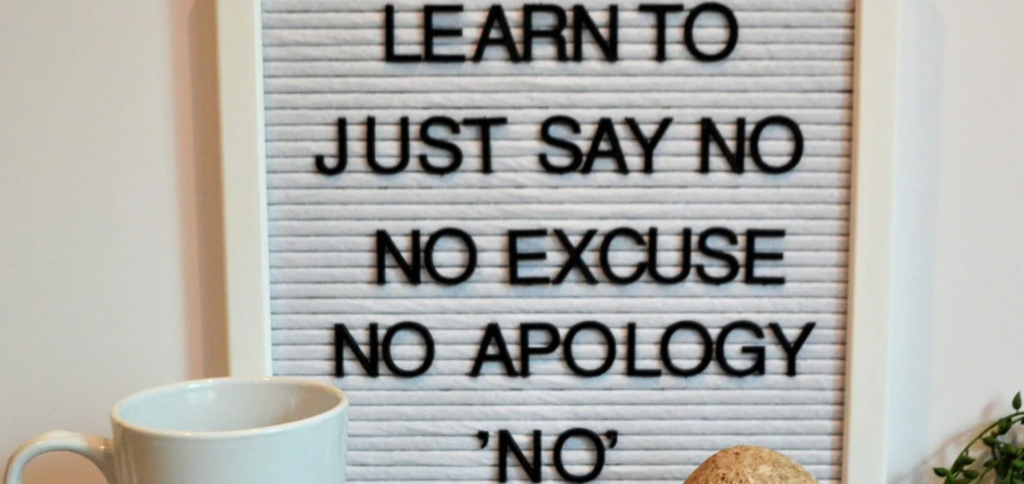
Every time you say “sure, I can help with that” to a non-essential request, extra project, or useless meeting, you are quietly saying “no” to your own priorities, your rest, and your peace of mind. Saying yes to everything out of habit or fear of disappointing people leads straight to overcommitment, constant stress, and total exhaustion.
Protecting your schedule requires building strong, respectful boundaries. Saying no isn’t selfish—it’s the only way to ensure that the things you do commit to get the energy, care, and quality they actually deserve.
- Stop giving instant answers: Get out of the habit of saying yes immediately. Buy yourself thinking time with, “Let me double-check my schedule and priorities before I commit to that.”
- Redirect constructly: If you can’t take something on, point the person toward helpful guides, existing documents, or someone else who actually has the time to help.
- Measure demands against your real goals: Before adding a new task to your list, evaluate whether it directly aligns with what you are actually trying to achieve.
High output isn’t defined by how much you fit into your day; it’s defined by what you choose not to do. By turning down low-value distractions and protecting your schedule, you maintain complete ownership of your time and turn frantic busyness into calm, steady progress.
Build a Real Evening Shutdown to Protect Your Energy
How you end your workday completely determines how energized you feel tomorrow morning. If you work until you collapse, leave twenty open mental loops floating around, and jump straight from your laptop screen into bed, your nervous system never gets the signal to calm down. You end up lying awake replay project worries in your head, leading to terrible sleep and a sluggish start the next morning.
Setting up a simple, non-negotiable evening shutdown routine acts as a clear bridge between your professional life and your personal time, giving your brain permission to switch off and recharge completely.
- Do a daily brain dump: Spend five minutes at the end of the day writing down open tasks and mapping out your top two priorities for tomorrow so your mind doesn’t have to hold onto them overnight.
- Enforce a digital cutoff: Shut off high-brightness screens and work apps at least an hour before bed to help your body naturally wind down.
- Reclaim your personal time: Mark the end of your workday with a physical action—close your laptop, clear your desk, step outside for a walk, or change clothes—to signal that work is officially over.
Rest isn’t a reward you earn after working yourself into the ground; it’s the actual fuel that makes high performance possible. Treating your recovery with the same respect you give your work ensures you show up every morning sharp, clear-headed, and ready to get things done.
Collaboration Tools 2026: Work Better Together With Smart Tools
Modern work is no longer limited to people sitting in the same office. Teams Collaboration…
Productivity 2026: Smart Strategies to Work Better & Faster
Being productive doesn’t mean filling every minute of the day with work. In 2026, productivity…

Tech Insights 2026: Latest Technology Trends & Innovations
Technology is no longer something that simply runs in the background. Tech Insights It is…
Remote Work Guide 2026: How to Stay Productive and Organized
Working remotely in 2026 isn’t just about sitting at your kitchen Remote Work Guide 2026:…
AI Tool Battles 2026: Compare the Best Tools Head-to-Head
You read a landing page, and it sounds incredible. You sign up, hand over your…

15 Smart Technology Trends to Watch in 2026
Smart technology is no longer just about connected devices—it is becoming the foundation of how…