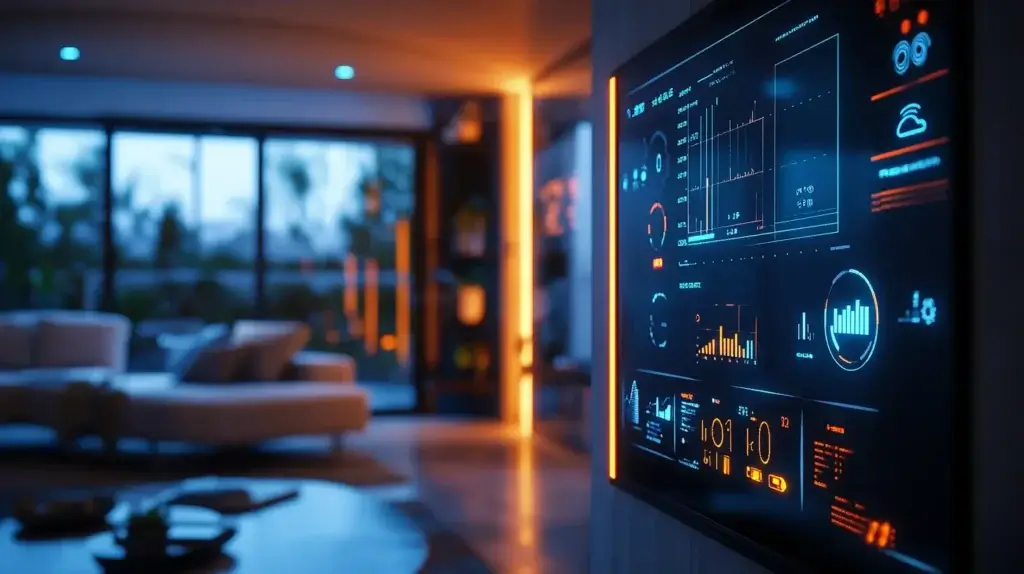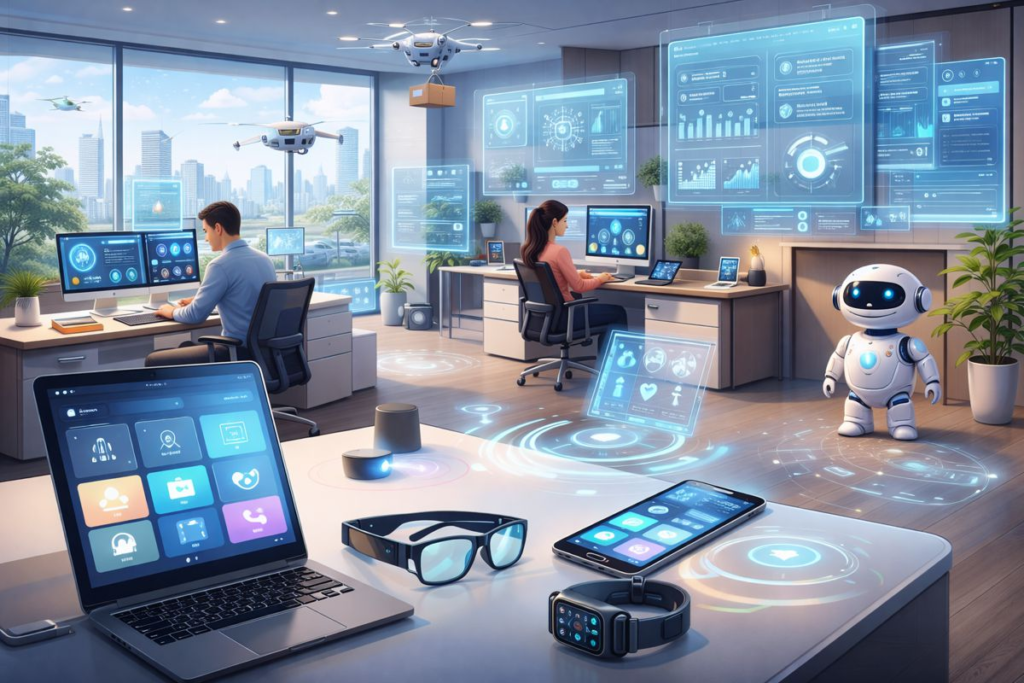
Smart technology is no longer just about connected devices—it is becoming the foundation of how we live, work, travel, and interact with the digital world. In 2026, advancements in artificial intelligence, automation, IoT, robotics, wearables, and connected infrastructure are making technology more intelligent, personalized, and responsive than ever before. From AI-powered smart homes and wearable devices to connected cars and smart cities, these innovations are changing everyday experiences while creating new possibilities for businesses and consumers. In this article, we explore 15 smart technology trends to watch in 2026 and how they are shaping the future of connected living.
Before you go dropping your hard-earned paycheck on the latest gadgets, let’s look at what these trends actually mean for your daily routine, your sanity, and your bank account.
| Tech Trend | What the Corporate PR Says | What It Actually Does in Real Life | Is It Worth Your Hard-Earned Cash? |
| 1. AI-Powered Smart Homes | “Predictive environmental living” | Stops your house from freezing because you forgot to adjust the heat before leaving for work. | Yes. Huge relief if you’re scatterbrained. |
| 2. Home Automation Ecosystems | “Synergistic cross-device harmony” | Your TV, lights, and blinds finally talk to each other without throwing a tantrum. | Yes. The setup headaches are mostly gone. |
| 3. AI Wearables | “Holistic biometric optimization” | Your watch notices you slept like trash and tells you to take a chill day instead of hitting the gym. | Yes. Great for stopping burnout in its tracks. |
| 4. Smart Glasses | “Augmented real-time contextual overlays” | Lets you see turn-by-turn directions without constantly staring down at your phone screen while walking. | Maybe. Still looks a little goofy, but getting better. |
| 5. Proactive Security | “Next-gen threat mitigation” | Cameras that ignore stray cats and wind-blown leaves, only buzzing your phone for actual weird stuff. | Yes. Saves you from 50 annoying fake notifications a day. |
| 6. Smart Energy Management | “Dynamic grid-aware consumption optimization” | Automatically runs your laundry at 2:00 AM when power is cheap so your electric bill doesn’t hurt as bad. | Yes. This one actually puts money back in your pocket. |
| 7. Connected Vehicles | “Integrated mobility platforms” | Turns the heat on 10 minutes before you step outside into a freezing morning commute. | Yes. Pure comfort, though software updates can be annoying. |
| 8. Intelligent City Commutes | “Urban traffic flow orchestration” | Traffic lights that adapt to actual cars on the road instead of sitting on a stupid red light for zero reason. | Getting there. Depends heavily on where you live. |
| 9. Contextual AI Assistants | “Generative multi-modal task execution” | You can say “find that recipe I saved last Tuesday” and it actually gets the right one without throwing a web link at you. | Yes. Way less frustrating than older voice commands. |
| 10. Preventive Health Sensors | “Continuous baseline bio-telemetry” | Tracks your heart rate and sleep trends so you spot a bad cold coming a day before the sore throat hits. | Yes. Gives you a heads-up when your body needs rest. |
| 11. Edge Computing | “Zero-latency localized data processing” | Your light switch turns on the millisecond you hit it because the signal stays inside your house. | Yes. Crucial for speed and keeping your data private. |
| 12. Smart Retail Tech | “Frictionless checkout-free commerce” | Grabbing your coffee and lunch and walking straight out the door without standing in a 15-person line. | Yes. Saves massive amounts of time during lunch rushes. |
| 13. Everyday Practical Robotics | “Autonomous domestic labor assistance” | Robot vacuums that can dodge pet messes instead of dragging them across your clean rug. | Yes. Absolute game-changer for dog and cat owners. |
| 14. Smart Infrastructure | “Data-driven municipal efficiency” | Streetlights that dim when nobody is around, saving your city (and your tax dollars) money. | Behind the scenes. You won’t notice it, but it helps. |
| 15. Unified Ecosystem Standards | “Interoperable device protocols” | Gadgets from different brands actually work together without making you buy a specialized bridge. | Finally. The best thing to happen to home tech in years. |
Diving Deep: What These Trends Mean in the Real World

Let’s break these down into the moments that actually happen in your week—the early mornings, the chaotic workdays, the weekend chores, and the moments you just want to collapse on the couch.
1. The Smart Home Stuff That Stop Painful Mornings
We’ve all had those mornings. The alarm goes off at 6:30 AM, your bedroom is freezing, you can’t find your keys, and you’re running late before you even have one foot out from under the blanket.
This is where AI-Powered Smart Homes and Home Automation Ecosystems are finally earning their keep. A few years ago, setting up a morning routine meant spending three hours programming an app, setting rigid timestamps, and praying your home router didn’t blink. If you woke up 30 minutes early on a Tuesday, the whole system got confused.
Now, devices operate on context, not strict clocks. Your house knows you’re waking up because your smartwatch detects you moving out of deep sleep. It gently brings up the bedroom temperature, turns on the bathroom light to a soft warm glow (so you aren’t blinded by harsh white light at 6:35 AM), and signals your kitchen to start heating water.
And thanks to Unified Ecosystem Standards (the tech industry finally agreeing to use shared communication languages like Matter and Thread), you don’t have to check if a light bulb works with an iPhone or an Android before you buy it at Target. You screw it in, scan a tiny QR code on the side, and it just works. No third-party apps demanding your email address, no complicated account setups, no nonsense.
[Old Smart Home]  --> 5 Apps --> 3 Hubs --> 1 Hour of Setup --> Constantly Disconnects
[2026 Smart Tech] --> Screw it in --> Scan Code --> Forget about it
2. Tech That Keeps You Healthy (Without Being a Nag)
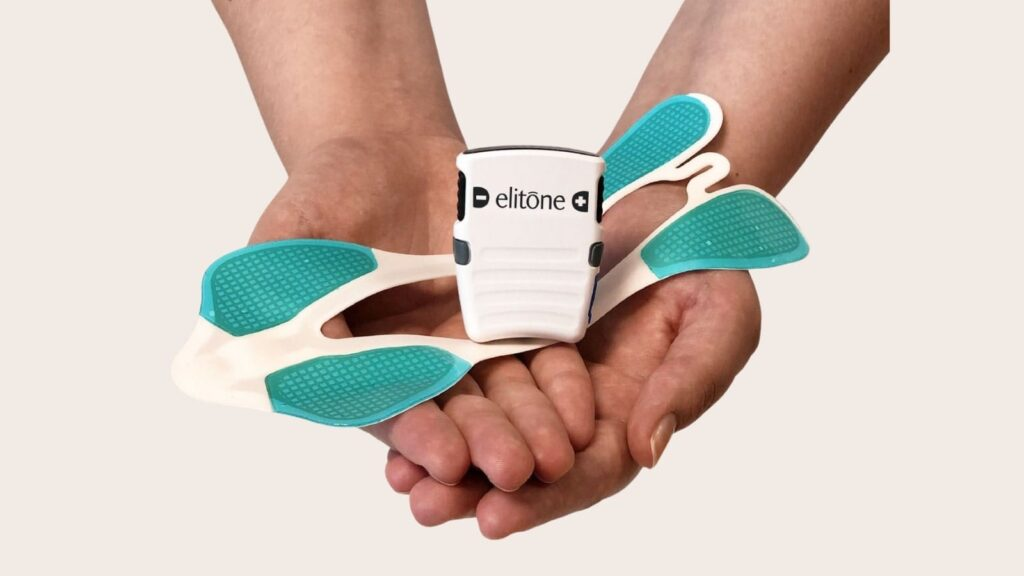
Let’s talk about AI Wearables and Preventive Health Sensors.
For years, fitness bands were basically nagging step-counters. You’d sit down at your desk after a exhausting six-hour meeting marathon, and your wrist would buzz with a passive-aggressive message: “Time to stand up! You’re only at 3,000 steps today!” Great. Thanks. Exactly what you needed when you were stressed out of your mind.
The 2026 generation of wearables has developed some emotional intelligence. Instead of badgering you to hit arbitrary numbers, they look at the big picture. They pull in your Heart Rate Variability (HRV), skin temperature, sleep stage tracking, and recent activity levels.
If you stayed up until 2:00 AM watching television, had a couple of drinks, and woke up with a resting heart rate that’s ten beats higher than normal, your ring or watch doesn’t yell at you to go run five miles. It rolls its metaphorical eyes, adjusts your daily targets, and says: “Hey, your body is under stress today. Drink some water, go for a easy 15-minute walk, and try to get to bed by 10:00 PM.”
It feels less like a strict gym trainer yelling in your face and more like a reasonable friend keeping an eye on your battery levels so you don’t burn out completely.
3. Energy and Security: Stuff That Actually Pays the Bills
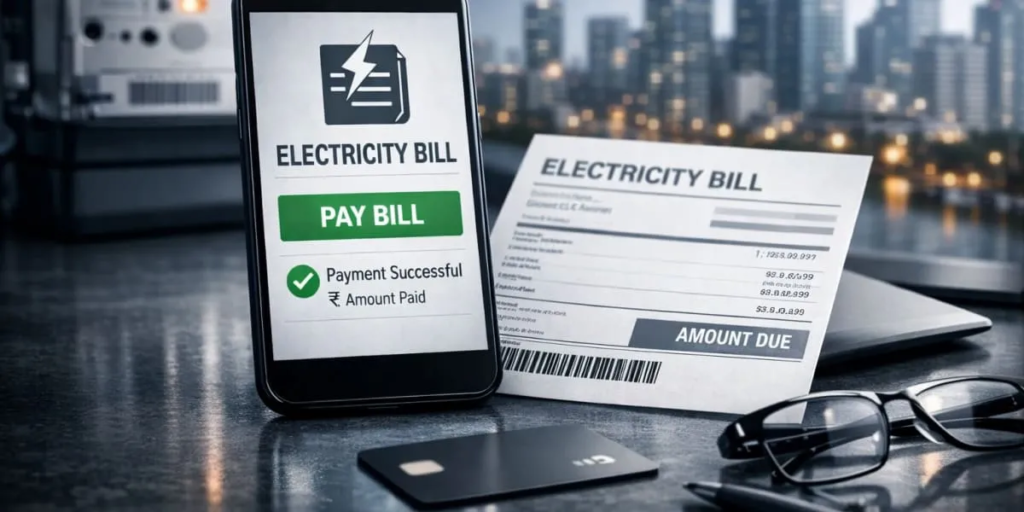
Let’s be honest: life is expensive. Electricity prices seem to rise every quarter, and nobody wants to burn money heating an empty house or lighting up an empty living room.
This is where Smart Energy Management stops being a gimmick and starts putting real cash back into your bank account. Older smart thermostats just let you set a schedule from your phone. Modern systems connect directly to your local utility company’s pricing grid.
Here is what that looks like in practical terms:
- The High-Peak Avoidance: Electric companies charge way more for power between 4:00 PM and 9:00 PM when everyone gets home and turns on their AC or heat. Your system knows this. It cools or heats your home down to your preferred temperature at 3:15 PM when power is cheap, then dials things back slightly during peak hours.
- Smart Appliance Delays: You load up the dishwasher or plug in your electric car at 7:00 PM after dinner. Instead of running immediately when rates are highest, the system waits until 1:30 AM when electricity demand plunges and rates drop to bottom dollar.
- Vampire Power Killing: Smart plugs detect when your TV, gaming console, and soundbar enter standby mode and completely cut off the trickle power they steal when turned off.
Over the course of a year, this quiet automation can shave 15% to 25% off your power bill without you having to sit in the dark or freeze under three blankets.
+-------------------------------------------------------------------+
|               HOW SMART ENERGY TECH SAVES YOUR CASH               |
+-------------------------------------------------------------------+
| 03:15 PM - Pre-cools home using cheap off-peak electricity        |
| 05:00 PM - Dials back slightly during peak pricing hours          |
| 07:30 PM - You load dishwasher; system delays run cycle           |
| 01:30 AM - Dishwasher runs at absolute lowest electricity rate    |
| RESULT:   Lower monthly power bills with zero extra effort        |
+-------------------------------------------------------------------+
And while we’re on the topic of keeping your home safe: Proactive Security has finally killed off the annoying false alarm. Old security cameras would blow up your phone with 45 frantic alerts every single afternoon because a tree branch moved in the breeze or a neighborhood stray cat walked across your driveway. Eventually, you tuned out the alerts—which completely defeated the purpose.
Modern cameras run smart image processing locally on the hardware (Edge Computing). They know the difference between your neighbor pulling into their driveway, the Amazon delivery driver leaving a box on the step, and someone loitering near your back gate for three minutes. You only get buzzed when something actually warrants your attention, restoring peace of mind without driving you insane.
4. Commutes, Cars, and Getting Around Without Losing Your Mind
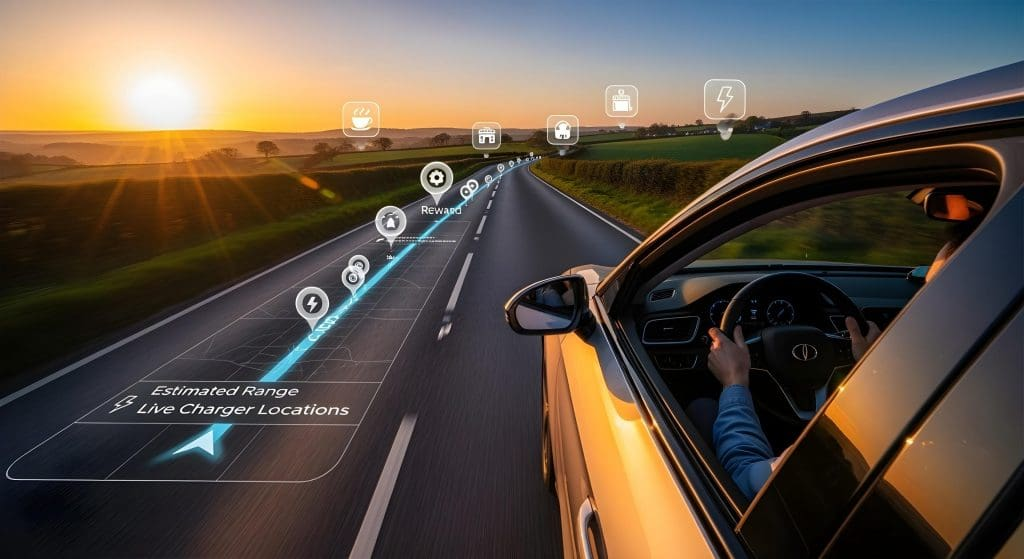
If there’s one place human patience goes to die, it’s during a daily traffic commute.
Connected Vehicles and Intelligent City Infrastructure are slowly making the daily drag less agonizing. Modern cars are no longer just metal boxes with engines; they function more like responsive spaces designed to lower your stress.
Imagine it’s the middle of winter. Your car checks your phone calendar, notices you have an appointment across town at 8:30 AM, factors in real-time road conditions, and pings your phone at 7:50 AM: “Traffic is heavy on the highway due to roadwork. Leaving in 5 minutes keeps you on time. I’ve turned on the cabin heat and heated steering wheel for you.”
You step outside, hop into a warm car, and the navigation routes you around a massive gridlock bottleneck before you even hit the highway ramp.
[Old Commute]  --> Freeze in cold car --> Hit surprise traffic jam --> Late to work
[2026 Commute] --> Car pre-heats --> Reroutes around jams --> Arrive on time, calm
Simultaneously, cities are finally adopting adaptive traffic systems. You know that rage you feel when you’re stuck at a red light at 11:00 PM, staring at an empty four-way intersection with zero cars coming, while the light stays red for two agonizing minutes? Intelligent signals use camera data and road sensors to shift light cycles in real-time. If nobody is coming from the left, the light stays green for you. It sounds like a tiny detail, but over a year, it saves hours of wasted time idling at empty cross streets.
The Big Question: What About Privacy ?

Let’s address the elephant in the room that tech companies usually try to sweep under the rug: Where is all this data going?
It’s completely valid to feel weird about having microphones, cameras, and biometric sensors tracking your daily life. Nobody wants a mega-corporation recording what they talk about over dinner or compiling a dossier on when they go to sleep and wake up.
This is why Edge Computing is the most important trend on this list, even if it sounds like dry, boring jargon.
In the old days (we’re talking 2018–2022), every time you spoke to a voice assistant or your smart camera detected movement, that raw audio or video was packaged up and sent across the internet to a distant cloud server owned by a tech giant. It was processed on their computers, and then a response was sent back to your device. That meant two things:
- It was slow (a frustrating 2–3 second lag).
- Your personal data was constantly traveling across the internet and sitting on someone else’s server.
Edge Computing changes the game. Modern smart hardware packs powerful microprocessors directly inside the device on your wall or wrist. When you give a voice command or your security camera scans your yard, the processing happens locally inside your own home. The data never leaves your local Wi-Fi network.
It makes commands instant (zero lag), and more importantly, it keeps your private life inside your own four walls. When you’re buying smart devices today, look for gear that explicitly advertises “local processing” or “on-device execution.” It’s safer, faster, and far more reliable when your home internet connection acts up.
How to Build a Smart Tech Setup That Doesn’t Suck

If you take away one thing from this guide, let it be this: The goal of technology is to give you more time to be a human, not to turn your life into a sci-fi movie set.
You don’t need to replace every light switch, buy a fridge with a screen on the door, or strap three different tracking bands to your body to live comfortably. The most successful smart tech setups are minimal, quiet, and practical.
Start small. Fix one real, daily annoyance.
- Tired of dragging out a heavy vacuum every night because your dog sheds? Grab a basic robot vacuum with decent obstacle avoidance.
- Tired of waking up freezing every winter morning? Get a straightforward smart thermostat that learns your routine.
- Sick of wondering if you left the garage door open after driving halfway to work? Put a basic connected sensor on the door.
Pick tech that solves real problems, ignore the shiny gimmicks that just add clutter to your phone, and demand devices that work for you—not the other way around. Life is complicated enough; your home technology shouldn’t be.
Frequently Asked Questions
Q: Do I really need to throw away my older smart home stuff and start over?
A: Absolutely not. Please save your money. If your current smart plugs turn on your lamps and your thermostat keeps your apartment comfortable, stick with them until they literally die. The only reason to upgrade today is if your old gear is constantly dropping off your Wi-Fi network, driving you crazy with slow lag, or requiring three different apps just to run simple tasks.
Q: Isn’t all this smart tech just going to break in two years and leave me stranded?
A: That used to be a massive problem because companies would abandon apps or shut down servers, turning expensive gadgets into literal plastic paperweights. However, the move toward Matter standards and Edge Computing means devices now operate locally on your home network. Even if the company that built your smart light bulb goes out of business tomorrow, the bulb will still communicate directly with your home network without needing their external server to stay alive.
Q: Will smart tech actually save me money, or is that just a sales pitch?
A: It depends on what you buy. Smart light bulbs won’t save you much because modern LEDs already use almost no electricity. But Smart Thermostats and Smart Energy Management plugs definitely pay for themselves. Letting a system handle peak-hour heating/cooling management and stopping “vampire power draw” from heavy electronics can easily save you $150 to $300 a year on utility costs.
Q: Why does my smart home stuff still disconnect randomly sometimes?
A: Nine times out of ten, it’s not the smart gadget’s fault—it’s your internet router. Most cheap smart home gear operates on the older 2.4GHz Wi-Fi band, which gets severely crowded if you have 30 different items trying to talk to one weak stock router provided by your internet provider. Upgrading to a basic mesh Wi-Fi system or sticking to devices that use dedicated smart home protocols (like Thread) usually cures those random disconnect headaches instantly.