

Technology is evolving faster than ever, transforming industries, lifestyles, and the way people interact with the world. From artificial intelligence and smart devices to cybersecurity and cloud computing, modern innovations are creating new opportunities while redefining everyday experiences. Tech insights help individuals, businesses, and technology enthusiasts understand these developments, recognize emerging trends, and make informed decisions in an increasingly digital environment.
Staying updated with technology is no longer limited to professionals or developers. Students, entrepreneurs, creators, and everyday users can benefit from understanding how digital tools and innovations influence their routines. Whether it is discovering a smarter productivity solution, exploring an emerging AI application, or learning about digital security, technology insights offer valuable knowledge for navigating the future.
What Are Tech Insights?

Tech insights are informative perspectives, discoveries, analyses, and updates related to technology. They explain how digital innovations work, why they matter, and how they may influence individuals, organizations, and society.
Unlike basic technology news, tech insights often focus on understanding the deeper impact of innovations. They explore the benefits, limitations, applications, and future possibilities of different technologies.
Key Areas Covered by Tech Insights
- Artificial Intelligence: Exploring AI-powered applications, automation, machine learning, and intelligent systems.
- Consumer Technology: Understanding smartphones, laptops, wearables, smart TVs, and connected devices.
- Cybersecurity: Learning about online safety, privacy protection, and digital threats.
- Cloud Computing: Discovering how cloud platforms support storage, collaboration, and business operations.
- Emerging Technologies: Exploring robotics, quantum computing, augmented reality, and virtual reality.
- Digital Productivity: Identifying tools that improve organization, communication, and workflow efficiency.
These areas provide a comprehensive understanding of the digital world and help readers identify technologies that may be relevant to their personal or professional goals.
Why Tech Insights Matter in the Digital Age
Technology influences nearly every aspect of modern life. People use digital platforms for communication, education, shopping, entertainment, financial activities, and professional tasks. Understanding technology makes it easier to adapt to changes and use digital resources effectively.
Tech insights also help users distinguish between meaningful innovations and temporary trends. Instead of adopting every new application or device, readers can evaluate its usefulness, reliability, and practical value.
Important Benefits of Staying Updated
| Benefit | How It Helps |
|---|---|
| Better decision-making | Helps users choose suitable digital tools and devices |
| Improved productivity | Introduces smarter methods to complete tasks |
| Digital awareness | Builds understanding of new technologies and trends |
| Career development | Supports learning of valuable technical skills |
| Online safety | Encourages responsible digital habits |
| Innovation | Inspires new ideas and creative solutions |
Important pointer: Understanding technology is more valuable than simply following trends. The goal is to identify innovations that solve real problems and create practical benefits.
Top Technology Trends Shaping 2026

Technology trends continue to develop as researchers, companies, and creators introduce new digital solutions. Some innovations are becoming part of everyday life, while others are still progressing through research and development.
1. Artificial Intelligence and Intelligent Automation
Artificial intelligence has become one of the most influential areas of modern technology. AI-powered systems can analyze information, recognize patterns, generate content, assist with communication, and automate repetitive activities.
AI tools are being used in education, marketing, customer service, software development, research, and creative industries. They can help users brainstorm ideas, summarize information, prepare drafts, and improve workflows.
However, AI-generated outputs may contain errors or outdated information. Human review remains important, especially when the information affects financial, legal, medical, or professional decisions.
2. Smart Devices and Connected Technology
Smart devices are making homes, workplaces, and personal routines more connected. Smartphones, smartwatches, connected appliances, and voice assistants can communicate with compatible systems to offer convenient experiences.
For example, smart lighting can be scheduled, wearable devices can track activity, and connected home appliances can be controlled remotely. These technologies can improve convenience, although users should also consider privacy, compatibility, and security.
3. Cybersecurity and Digital Privacy
As more activities move online, cybersecurity has become a critical technology priority. Digital threats such as phishing, identity theft, malware, and unauthorized access can affect individuals and organizations.
Modern security solutions use encryption, multi-factor authentication, threat detection, and automated monitoring to reduce risks.
Essential online safety pointers:
- Use strong and unique passwords.
- Enable multi-factor authentication wherever possible.
- Avoid clicking suspicious links or unexpected attachments.
- Keep applications and operating systems updated.
- Review privacy permissions regularly.
- Avoid sharing sensitive information with untrusted platforms.
Digital awareness is an important part of using technology confidently.
4. Cloud Computing and Digital Collaboration
Cloud computing allows users to access software, storage, and computing resources through internet-connected platforms. It supports remote work, online collaboration, data backup, and scalable business operations.
Cloud-based tools make it possible for teams to work on shared documents, communicate across locations, and manage projects more efficiently.
Businesses can also reduce the need for maintaining extensive physical infrastructure by using suitable cloud services. Nevertheless, they must evaluate data security, service reliability, costs, and access controls.
5. Augmented Reality and Virtual Reality
Augmented reality (AR) adds digital elements to real-world environments, while virtual reality (VR) creates immersive digital experiences.
These technologies are finding applications in gaming, education, design, training, retail, and entertainment. AR can help shoppers preview products, while VR can support simulations and interactive learning.
As hardware and software improve, immersive technologies may become more accessible and practical for a wider range of users.
How Technology Is Transforming Different Industries
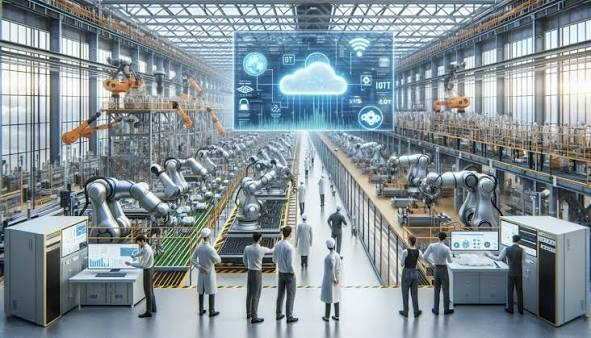
Technology is not limited to consumer gadgets. It is also changing how industries operate, deliver services, and solve complex problems.
| Industry | Technology Application | Potential Impact |
|---|---|---|
| Education | AI tutors, digital classrooms | More flexible learning |
| Healthcare | Digital records, monitoring systems | Better information management |
| Retail | Smart inventory, personalized platforms | Improved shopping experiences |
| Finance | Digital payments, fraud detection | Convenient and secure transactions |
| Manufacturing | Robotics, automation | Efficient production |
| Agriculture | Smart sensors, precision farming | Resource optimization |
| Transportation | Navigation systems, connected vehicles | Improved travel management |
| Marketing | Analytics, AI content tools | More informed campaigns |
These applications demonstrate how technology can improve processes and support innovation. The actual benefits depend on implementation, accessibility, user needs, and responsible management.
Emerging Technologies to Watch
The future of technology includes innovations that may significantly influence industries and daily life.
Quantum Computing
Quantum computing uses principles of quantum mechanics to process certain types of problems differently from conventional computers. It is being explored for areas such as scientific research, materials discovery, and complex optimization.
Although it has substantial potential, practical quantum computing remains a developing field. It is not expected to replace ordinary computers for everyday tasks in the near future.
Robotics and Intelligent Machines
Robotics combines engineering, sensors, software, and automation to perform physical tasks. Robots are used in manufacturing, logistics, research, and selected healthcare applications.
Advances in AI may enable robots to understand their environments more effectively and perform more adaptable tasks. Safety, cost, reliability, and human supervision remain important considerations.
Sustainable Technology
Sustainable technology focuses on reducing environmental impact through efficient systems and responsible resource use. Examples include renewable energy technologies, energy-efficient devices, smart grids, and improved battery systems.
Technology can support environmental goals, but its overall impact also depends on manufacturing processes, energy consumption, and electronic waste management.
Edge Computing
Edge computing processes data closer to where it is generated rather than relying entirely on distant cloud servers. This can reduce latency and support applications that require faster responses, such as connected devices and industrial monitoring.
Technology Tools That Improve Everyday Productivity

Digital productivity tools help users manage tasks, create content, collaborate, and organize information. Selecting the right tools can reduce repetitive work and improve focus.
| Tool Category | Common Use | Productivity Benefit |
|---|---|---|
| AI assistants | Research and brainstorming | Faster idea development |
| Project management tools | Organizing tasks | Clearer workflows |
| Cloud storage | Saving and sharing files | Easy access to documents |
| Communication platforms | Team discussions | Better collaboration |
| Automation tools | Repetitive processes | Reduced manual effort |
| Note-taking applications | Capturing information | Improved organization |
Tips for Choosing the Right Technology Tool
- Identify the specific problem you want to solve.
- Compare features instead of relying only on popularity.
- Check whether the tool works with your existing workflow.
- Understand pricing, limitations, and subscription terms.
- Review privacy policies and data permissions.
- Test free versions or trials when available.
- Avoid using too many tools for the same purpose.
The best technology tool is one that offers clear value and fits naturally into your routine.
Challenges and Risks of Modern Technology
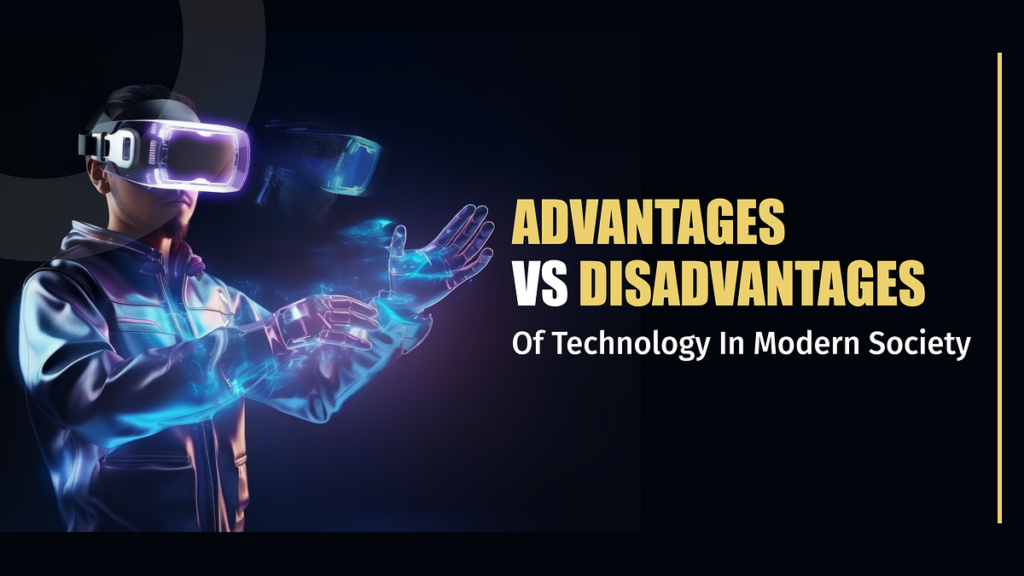
Although technological innovation offers many advantages, it also introduces challenges that users and organizations should understand.
| Challenge | Description | Practical Approach |
|---|---|---|
| Privacy concerns | Personal data may be collected or exposed | Review permissions and privacy settings |
| Cybersecurity threats | Digital attacks can compromise systems | Use security tools and strong authentication |
| Digital dependency | Excessive screen time may affect routines | Maintain balanced technology habits |
| AI inaccuracies | AI systems can produce misleading results | Verify important information |
| Skill gaps | New technologies require continuous learning | Develop digital skills regularly |
| Electronic waste | Devices may create environmental concerns | Repair, reuse, and recycle responsibly |
| Accessibility issues | Some tools may not serve every user equally | Prioritize inclusive design |
Responsible technology use requires awareness, critical thinking, and continuous evaluation. Innovation should improve people’s lives while respecting safety, privacy, and accessibility.
How to Stay Updated With Tech Insights
Keeping up with technology does not require spending hours reading every update. A structured approach can help users stay informed without becoming overwhelmed.
Practical Ways to Follow Technology Developments
1. Read Reliable Technology Publications
Follow credible technology websites, research publications, and official product announcements. Check the source and publication date before relying on information.
2. Explore Product Updates
Software updates often introduce new features, security improvements, and usability changes. Reviewing release notes can help users understand what has changed.
3. Learn Through Tutorials
Practical tutorials can explain how to use new tools, troubleshoot issues, and build technical skills.
4. Compare Different Perspectives
Read more than one source when evaluating a major technology trend. This can help identify limitations, conflicting claims, and realistic expectations.
5. Experiment Responsibly
Testing a new tool can provide useful hands-on experience. However, avoid uploading confidential data or granting unnecessary permissions to unfamiliar services.
The Future of Tech Insights
The future of technology will likely involve increasingly connected systems, more advanced AI applications, improved automation, and new approaches to digital experiences. As these developments continue, the ability to understand and evaluate technology will become even more valuable.
Future technology insights may focus on human-AI collaboration, privacy-first computing, personalized digital experiences, sustainable innovation, and accessible tools. These trends could reshape how people learn, work, communicate, and create.
The most meaningful innovations will not necessarily be the most complicated ones. Technologies that are reliable, accessible, secure, and capable of solving everyday problems may have the greatest long-term impact.
Tech insights provide a valuable way to understand the rapidly changing digital landscape. From AI and smart devices to cybersecurity, cloud computing, and emerging innovations, technology continues to influence how people live and work.
Staying informed helps users make better decisions, develop useful skills, and recognize opportunities for growth. By exploring reliable information, evaluating digital tools carefully, and practicing responsible technology use, individuals can confidently adapt to the future.
Technology is not just about what is new; it is about what is useful, meaningful, and capable of creating a better digital experience.
Frequently Asked Questions (FAQs)
1. What are tech insights?
Tech insights are informative updates and analyses that explain technology trends, innovations, applications, and their impact on everyday life and industries.
2. Why are tech insights important?
They help people understand emerging technologies, make informed decisions, improve digital skills, and recognize opportunities in a changing technological environment.
3. What are the major technology trends in 2026?
Major areas include artificial intelligence, cybersecurity, cloud computing, smart devices, automation, sustainable technology, and immersive experiences.
4. How can beginners stay updated with technology?
Beginners can follow reliable technology publications, explore tutorials, read product updates, and experiment with useful digital tools.
5. Is artificial intelligence the future of technology?
AI is expected to remain an important part of technological development. However, the future will also involve cybersecurity, computing infrastructure, robotics, sustainability, and other innovations.