Learning something new has never been more accessible. From understanding artificial intelligence and creating websites to improving digital marketing skills, editing videos, and managing everyday technology, tutorials make complex topics easier to explore. With the right guidance, anyone can develop useful skills, solve problems, and become more confident using digital tools.
Tutorials are more than simple instructions. They provide a structured learning experience that helps users understand what to do, how to do it, and why each step matters. Whether you are a student, content creator, professional, freelancer, or beginner, tutorials can support your personal and professional development.
In 2026, digital learning continues to evolve through interactive guides, video demonstrations, AI-powered assistance, online courses, and practical exercises. Instead of relying only on traditional learning methods, people can now explore skills at their own pace and revisit instructions whenever necessary.
From beginner-level technology guides to advanced creative workflows, tutorials offer opportunities to turn curiosity into practical knowledge.
This guide explores popular tutorial categories, effective learning methods, useful digital skills, and how to get the most out of step-by-step guides.
Technology Tutorials: Understand Digital Tools Easily

<AsyncImage query=”person learning technology computer tutorial laptop modern digital workspace” aspectRatio=”16:9″ width=”100%”/>
Technology tutorials help users understand digital devices, applications, software, and online platforms. They are especially useful for beginners who want to learn how to use unfamiliar tools without feeling overwhelmed.
A well-structured technology tutorial explains the process in simple language and provides clear instructions for completing a task.
Popular Technology Tutorial Topics
- How to use smartphone features effectively.
- How to install and update software.
- How to manage files and folders.
- How to improve device performance.
- How to protect accounts with stronger security.
- How to use cloud storage.
- How to troubleshoot common technical problems.
Why Technology Tutorials Matter
Technology changes rapidly, and new features are introduced regularly. Tutorials help users understand these changes and make better use of the tools they already have.
For example, a beginner may use a tutorial to learn how to organize files using cloud storage, enable security settings, or customize smartphone features.
Important learning pointers:
- Follow instructions in the correct order.
- Check whether the tutorial matches your device or software version.
- Practise each step instead of simply reading it.
- Save useful guides for future reference.
- Avoid instructions from untrusted sources when dealing with sensitive settings.
AI Tutorials: Learn to Use Artificial Intelligence

<AsyncImage query=”AI assistant tutorial prompt engineering laptop digital learning” aspectRatio=”16:9″ width=”100%”/>
Artificial intelligence has become an important part of digital learning, content creation, and productivity. AI tutorials help users understand how to interact with AI tools, create effective prompts, generate content, and explore automation.
Beginners can start with simple tasks such as asking an AI assistant to explain a topic, summarize information, or brainstorm ideas.
Essential AI Tutorial Topics
- How to use AI chat assistants.
- How to write effective AI prompts.
- How to generate images using AI.
- How to create AI-assisted presentations.
- How to summarize documents.
- How to use AI for content planning.
- How to verify AI-generated information.
Beginner Guide: How to Write a Better AI Prompt
A good prompt provides clear instructions and relevant context.
Step 1: Define your goal. Decide exactly what you want the AI tool to accomplish.
Step 2: Add context. Explain the topic, audience, or purpose.
Step 3: Specify the format. Request a paragraph, table, checklist, script, or tutorial.
Step 4: Set the tone. Choose whether the output should be professional, conversational, simple, or engaging.
Step 5: Review the response. Check accuracy and refine the prompt if necessary.
| Weak prompt | Improved prompt |
|---|---|
| Write about AI | Explain AI tools for beginners in simple language |
| Make a post | Create an engaging social media post about productivity |
| Explain coding | Explain HTML basics with examples |
| Give ideas | Suggest 10 practical video ideas for technology creators |
The more clearly you communicate your requirements, the more useful the AI-generated response is likely to be.
Coding Tutorials: Build Your Programming Skills
<AsyncImage query=”beginner coding tutorial HTML CSS JavaScript laptop code editor” aspectRatio=”16:9″ width=”100%”/>
Coding tutorials help beginners understand programming languages and develop the skills needed to create websites, applications, and software solutions.
Learning to code can initially feel challenging, but structured tutorials make the process easier by breaking complex concepts into manageable steps.
Popular Coding Tutorial Subjects
- HTML for webpage structure.
- CSS for website styling.
- JavaScript for interactive functionality.
- Python for programming and automation.
- SQL for working with databases.
- Git and GitHub for version control.
Beginner Guide: Create Your First HTML Webpage
Step 1: Open a text editor.
You can use a simple text editor or a code editor such as Visual Studio Code.
Step 2: Create a new file.
Save the file with the name index.html.
Step 3: Add the following HTML code.
<!DOCTYPE html>
<html>
<head>
    <title>My First Webpage</title>
</head>
<body>
    <h1>Welcome to My Website</h1>
    <p>This is my first HTML webpage.</p>
</body>
</html>
Step 4: Save the file.
Make sure the filename ends with .html.
Step 5: Open the file in a browser.
Double-click the saved file or open it in your preferred browser.
You will see a webpage displaying a heading and a paragraph.
This simple activity introduces the basic structure of HTML and provides a starting point for learning web development.
Digital Marketing Tutorials: Grow Your Online Skills
Core Digital Marketing Skills You Develop in a Professional Digital Marketing Course
Digital marketing tutorials help learners understand how brands connect with audiences through search engines, social media, websites, email campaigns, and online advertising.
These skills are useful for freelancers, content creators, business owners, and professionals who want to build a stronger digital presence.
Important Digital Marketing Topics
- Search engine optimization (SEO).
- Keyword research.
- Content marketing.
- Social media management.
- Email marketing.
- Website analytics.
- Affiliate marketing.
- Online advertising.
Beginner Guide: Basic SEO Optimization for a Blog
Step 1: Choose a relevant topic. Select a subject that matches your audience’s interests.
Step 2: Research keywords. Identify the phrases readers may use to search for the topic.
Step 3: Write a descriptive title. Make the title relevant, clear, and engaging.
Step 4: Organize your content. Use suitable headings, subheadings, and readable paragraphs.
Step 5: Add useful information. Focus on answering the reader’s questions.
Step 6: Optimize images. Use relevant images and descriptive alt text.
Step 7: Review before publishing. Check readability, links, formatting, and factual accuracy.
SEO is not simply about adding keywords. Helpful content, a good user experience, and technical website quality also matter.
Graphic Design Tutorials: Create Attractive Visual Content
Graphic design tutorials help users develop visual communication skills. They are useful for creating social media posts, blog thumbnails, presentations, advertisements, logos, and other digital materials.
Beginners can explore design using accessible platforms before moving to more advanced software.
Popular Graphic Design Tutorial Topics
- Designing social media posts.
- Creating blog thumbnails.
- Understanding typography.
- Selecting suitable color combinations.
- Designing presentations.
- Creating infographics.
- Editing images.
- Learning layout and composition.
Essential design pointers:
- Use readable fonts.
- Maintain consistent spacing.
- Avoid overcrowding the design.
- Choose colors that complement each other.
- Make the main message easy to understand.
- Use high-quality images.
- Keep the visual style consistent.
Tools such as Canva and Adobe Photoshop can support different levels of design learning.
Video Editing Tutorials: Create Engaging Videos
How to Get More Views on YouTube Shorts: Quick, Actionable Tips
Video editing is an important skill for social media creators, educators, marketers, and digital storytellers. Tutorials can help users learn how to combine clips, add transitions, improve audio, create captions, and prepare videos for different platforms.
Video Editing Skills to Learn
| Skill | Purpose |
|---|---|
| Cutting and trimming | Remove unnecessary footage |
| Transitions | Connect scenes smoothly |
| Text overlays | Highlight important information |
| Audio editing | Improve sound quality |
| Captions | Make videos easier to follow |
| Color correction | Improve visual consistency |
| Export settings | Prepare videos for publishing |
Beginner Video Editing Workflow
Start by importing your video clips into an editing application. Arrange the footage according to your story, remove unnecessary sections, and add suitable text or captions.
Next, review the audio, adjust the visual appearance, and export the final video using settings appropriate for your platform.
Popular tools such as CapCut, DaVinci Resolve, and Adobe Premiere Pro offer different editing capabilities.
Productivity Tutorials: Manage Your Time More Effectively
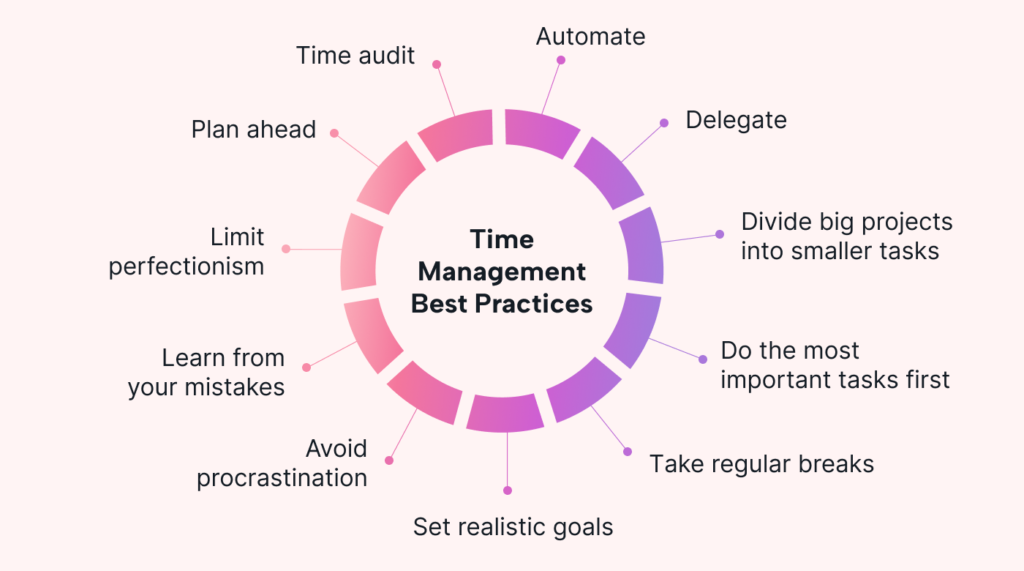
Time management tips for students: Master Your Schedule and Focus
Productivity tutorials help people develop better habits, organize responsibilities, and manage their daily tasks.
Learning how to use task management applications, digital calendars, note-taking systems, and workflow tools can make everyday activities more organized.
Useful Productivity Tutorial Topics
- How to create a daily task list.
- How to organize digital notes.
- How to manage a calendar.
- How to prioritize important tasks.
- How to reduce digital distractions.
- How to organize project workflows.
- How to use productivity applications.
Practical productivity tips:
- Break large tasks into smaller steps.
- Set realistic deadlines.
- Prioritize important responsibilities.
- Keep digital files organized.
- Review your progress regularly.
- Take appropriate breaks.
Productivity is not about completing every task as quickly as possible. It is about using time and resources effectively while maintaining a sustainable routine.
How to Learn From Tutorials Effectively
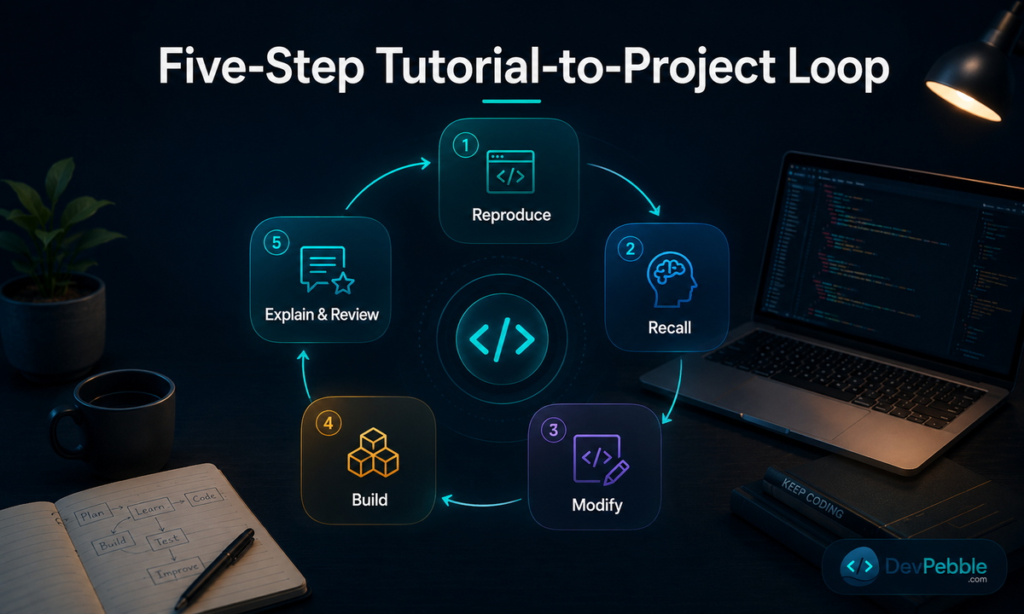
Watching tutorials is helpful, but active practice is what turns information into a useful skill.
Follow these methods to make learning more effective:
- Set a clear goal: Identify the skill you want to develop.
- Choose beginner-friendly resources: Start with explanations that match your current knowledge.
- Practise alongside the tutorial: Complete each step yourself.
- Take notes: Record important concepts and useful instructions.
- Repeat difficult activities: Practise until you understand the process.
- Build small projects: Apply your learning to practical tasks.
- Review your progress: Identify what you have learned and what needs improvement.
| Learning method | Benefit |
|---|---|
| Video tutorials | Visual demonstrations |
| Written guides | Easy reference and review |
| Interactive courses | Hands-on practice |
| Project-based learning | Practical skill development |
| AI-assisted learning | Personalized explanations |
| Community discussions | Shared experiences and feedback |
The best learning approach often combines multiple formats according to the subject and your preferences.
How to Choose the Right Tutorial for Your Needs

Not every tutorial is suitable for every learner. Selecting the right guide can save time and help you avoid confusion.
Before starting, consider the following factors:
| Selection factor | What to look for |
|---|---|
| Skill level | Beginner, intermediate, or advanced |
| Learning objective | A specific skill or task |
| Tutorial format | Video, written guide, or interactive lesson |
| Content quality | Clear and accurate instructions |
| Software version | Compatibility with your application |
| Practical examples | Demonstrations and exercises |
| Time requirement | A realistic learning duration |
Important pointers for choosing tutorials:
- Prefer clear and structured instructions.
- Check whether the tutorial is updated.
- Look for practical demonstrations.
- Avoid guides that skip essential steps.
- Verify information using reliable resources.
- Choose lessons that match your learning goals.
A good tutorial should make the learning process easier, not more confusing.
The Future of Tutorials and Digital Learning
The way people learn new skills is continuously evolving. AI-powered learning assistants, interactive video lessons, personalized learning platforms, and virtual demonstrations are creating new opportunities for learners.
In the future, tutorials may become more adaptive, allowing learners to receive explanations according to their skill level and progress. AI assistants may help users troubleshoot problems, generate practice exercises, and explain complex topics in simpler language.
Digital learning will also continue supporting practical skills such as coding, design, content creation, digital marketing, and productivity.
However, technology alone cannot replace consistent practice. The most successful learners will be those who combine accessible resources with curiosity, critical thinking, and hands-on experience.
Frequently Asked Questions (FAQs)
1. What are tutorials?
Tutorials are step-by-step learning guides that explain how to complete a task, understand a concept, or develop a particular skill.
2. Which tutorials are best for beginners?
Technology, AI tools, coding, graphic design, digital marketing, and productivity tutorials are useful starting points for beginners.
3. Can I learn new skills through free tutorials?
Yes. Many websites and platforms provide free tutorials, video lessons, and practical guides for different subjects.
4. Are video tutorials better than written tutorials?
Both formats are useful. Videos are helpful for visual demonstrations, while written tutorials are convenient for reference and step-by-step review.
5. How can I learn a skill faster?
Set a clear goal, follow structured tutorials, practise regularly, take notes, and apply your knowledge through small projects.