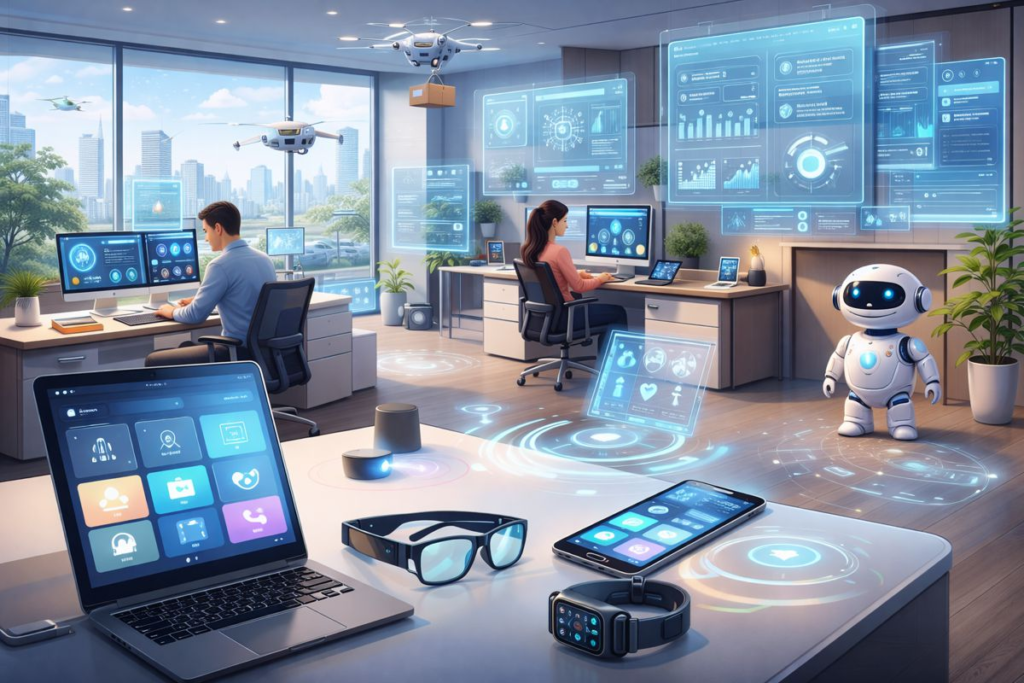
Technology is no longer something that simply runs in the background. Tech Insights It is shaping how we work, communicate, shop, travel, learn, create, and solve everyday problems. In 2026, the biggest technology shifts are not just about new gadgets. They are about smarter software, artificial intelligence, automation, connected devices, cybersecurity, and the way people interact with digital systems.
From AI agents that can handle multi-step tasks to smarter workplaces and increasingly connected homes, technology is becoming more useful and deeply integrated into daily life.
But with rapid innovation comes an important question: Which technology trends actually matter?
Let’s explore the major technology developments shaping 2026 and what they mean for everyday users and businesses.
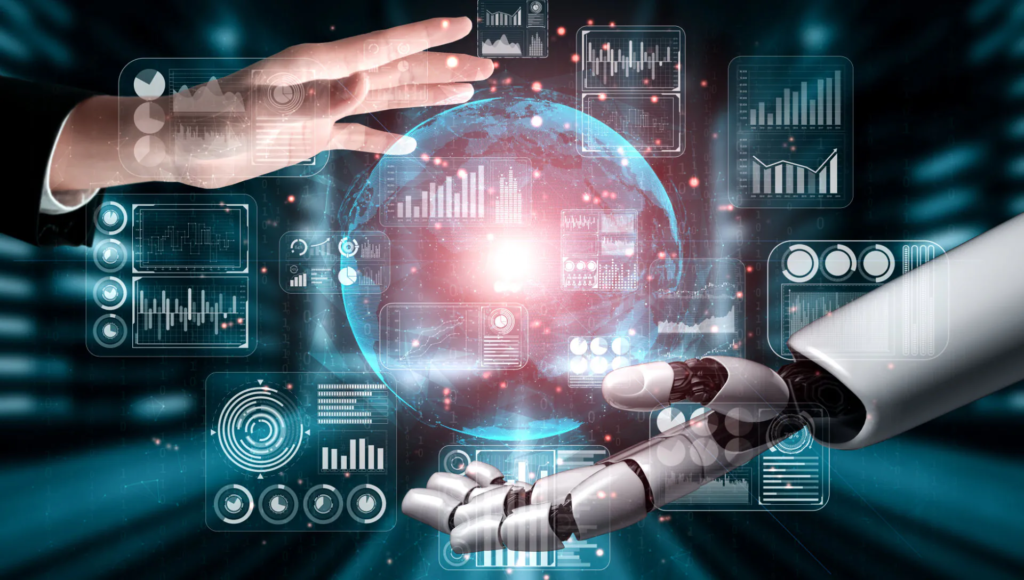
Technology Trends at a Glance
| Technology Trend | What It Brings | Where It Matters |
|---|---|---|
| Artificial Intelligence | Smarter content, analysis and automation | Work, education, business |
| Agentic AI | Multi-step task automation | Productivity, operations |
| AI Coding | Faster software development | Developers, startups |
| Cybersecurity | Better protection against digital threats | Everyone |
| Cloud Computing | Flexible digital infrastructure | Businesses |
| Smart Technology | Connected and automated experiences | Homes, workplaces |
| Digital Provenance | More context about digital content | Media, AI, publishing |
| Sustainable Tech | More efficient use of resources | Devices, infrastructure |
1. Artificial Intelligence Is Becoming More Practical
Artificial intelligence continues to be one of the most important technology developments in 2026. However, the conversation is shifting from “What can AI generate?” to “What can AI actually help me accomplish?”
AI is increasingly being built directly into the software people already use. It can help summarize long documents, organize information, generate ideas, analyze data, create presentations, assist with research, and automate repetitive work.
AI Is Moving Into Everyday Work
For businesses, AI can support several areas:
- Content creation and editing
- Customer support
- Data analysis
- Marketing workflows
- Research
- Meeting summaries
- Software development
- Administrative tasks
The important change is that AI is becoming less of a standalone tool and more of a digital layer inside everyday workflows.
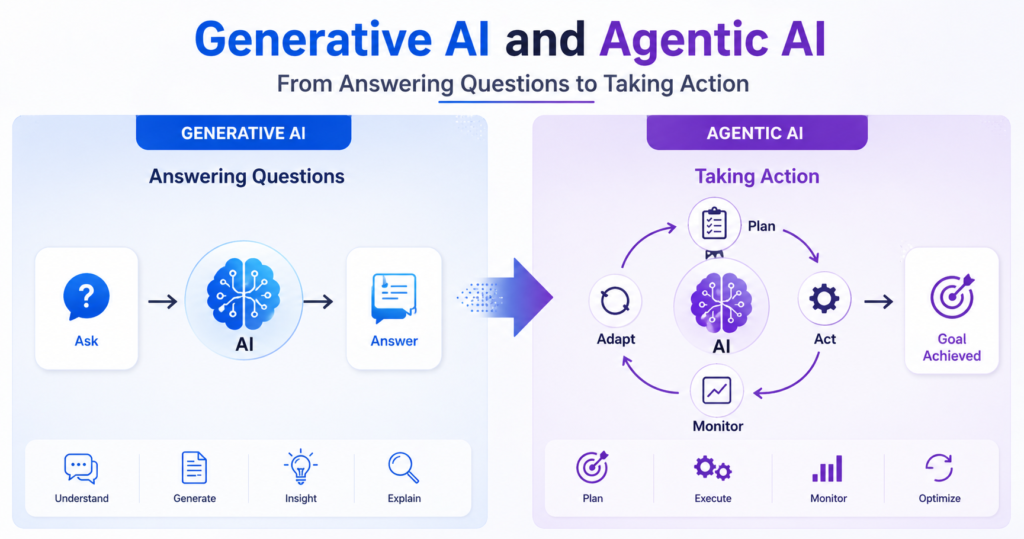
2. Agentic AI: From Answers to Actions
One of the most interesting developments is agentic AI.
Traditional AI usually responds to a prompt. Agentic systems are designed to work through multiple steps toward a goal.
For example, instead of simply asking an AI to research a topic, an agent could potentially gather information, organize it, analyze the findings, create a draft, and complete additional connected tasks.
Why Agentic AI Matters
The biggest opportunity is automation.
Key benefits include:
- Less repetitive manual work
- Faster task completion
- Connected workflows
- More personalized digital assistance
- Better handling of multi-step processes
However, human oversight remains important. AI systems can make mistakes, misunderstand instructions, or produce inaccurate information.
Smart approach: Let AI handle repetitive processes while humans remain involved in important decisions and quality checks.
3. AI Is Changing Software Development
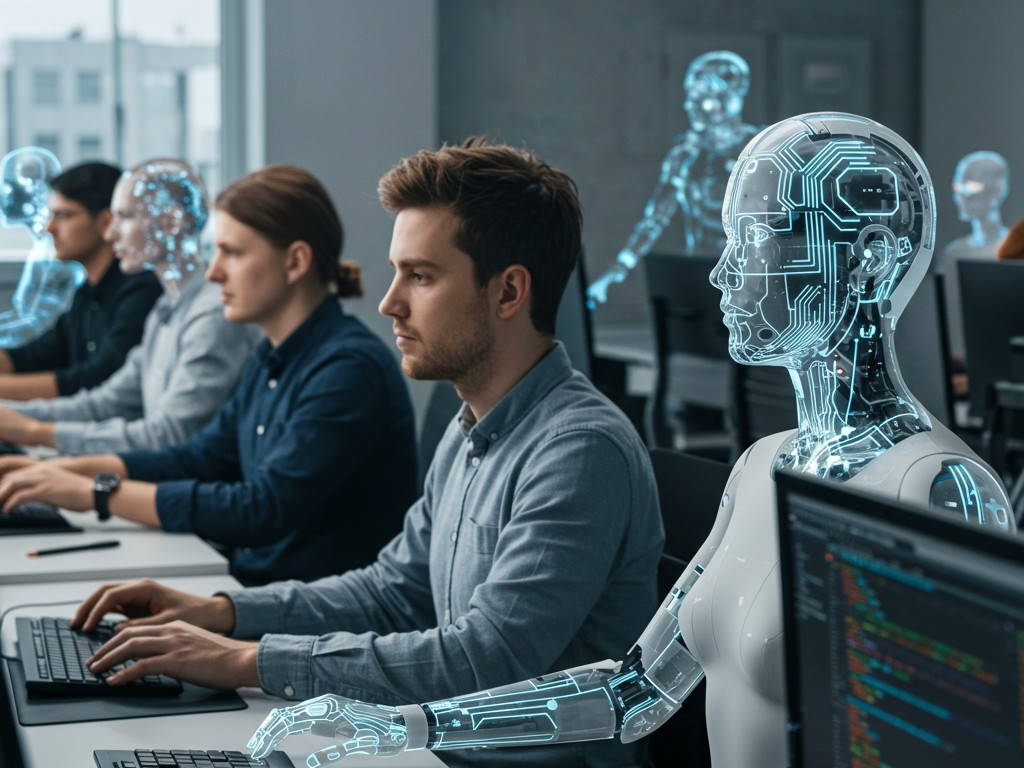
Software development is another area being transformed by AI.
AI coding assistants can help developers generate code, explain functions, identify potential errors, write tests, and explore different approaches.
At the same time, vibe coding is attracting attention because it allows users to describe what they want in natural language and use AI to help build software.
Faster Doesn’t Always Mean Perfect
AI-generated code still needs to be reviewed.
Developers should check for:
- Security vulnerabilities
- Incorrect logic
- Bugs
- Poor performance
- Compatibility problems
- Unnecessary complexity
AI can speed up development, but human technical judgment remains valuable.
4. Cybersecurity Is More Important Than Ever

As more activities move online, cybersecurity becomes increasingly important for individuals and organizations.
Threats can include phishing, ransomware, account takeovers, identity theft, social engineering, and data breaches.
AI is also changing cybersecurity. Security teams can use AI to detect unusual activity and analyze large amounts of data, while attackers may use automation to create more convincing scams.
Simple Security Habits Everyone Should Follow
A few practical habits can make a difference:
- Use strong and unique passwords.
- Enable multi-factor authentication.
- Keep apps and operating systems updated.
- Avoid clicking suspicious links.
- Review account login activity.
- Be careful with unexpected attachments and messages.
Cybersecurity is no longer just an IT department responsibility. Every connected user plays a role in digital security.
5. Cloud and Edge Computing Keep Growing
Cloud computing has become an essential part of modern digital infrastructure.
Companies use cloud services to store information, operate applications, support remote teams, and scale their digital operations without maintaining all infrastructure themselves.
At the same time, edge computing is becoming increasingly useful for situations where fast processing is important.
Instead of sending every piece of information to a distant data center, some data can be processed closer to where it is generated.
Cloud vs. Edge Computing
| Feature | Cloud Computing | Edge Computing |
|---|---|---|
| Processing | Centralized servers | Closer to the device |
| Main advantage | Scalability | Faster response |
| Common use | Business applications | IoT and real-time systems |
| Best suited for | Large-scale services | Time-sensitive applications |
Together, cloud and edge technologies can create digital systems that are both scalable and responsive.
6. Smart Devices Are Becoming More Connected
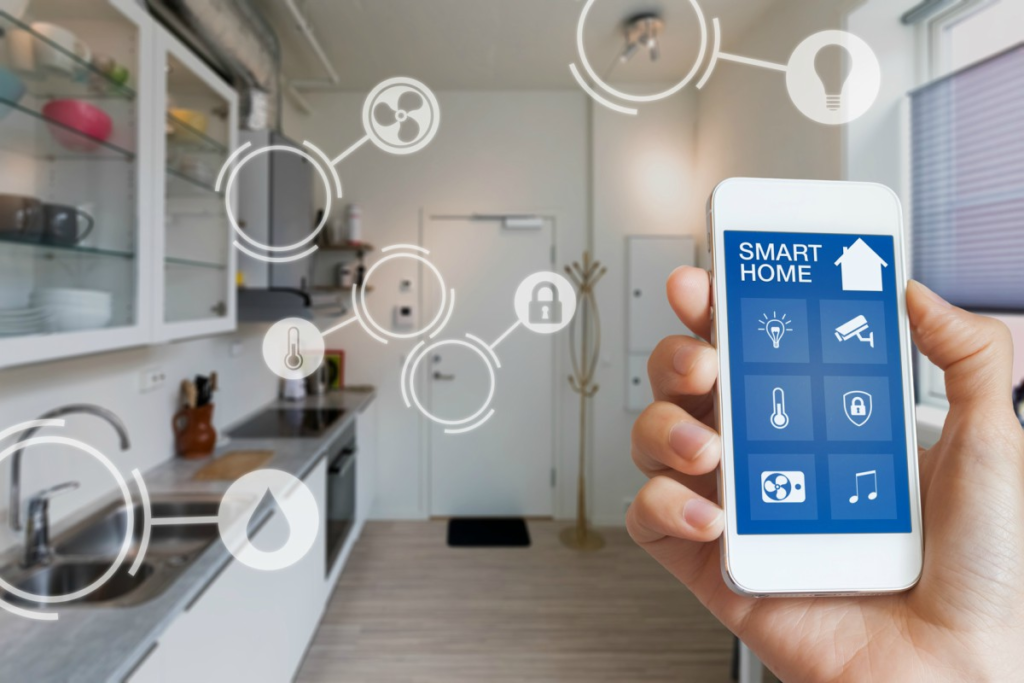
Smart technology is expanding beyond smartphones.
Homes, vehicles, offices, and public spaces are increasingly using connected devices and sensors.
Smart lighting, security systems, appliances, thermostats, watches, vehicles, and other devices can communicate with software and respond to changing conditions.
The Convenience Comes With a Privacy Question
Connected devices can collect different types of information. Users should therefore pay attention to:
What data is collected?
Where is it stored?
Who can access it?
What permissions has the device been given?
Convenience is useful, but understanding privacy settings is equally important.
7. Personalization Is Reshaping Digital Experiences
Have you ever searched for something online and then received recommendations related to it?
That is personalization in action.
AI and data-driven systems can help websites and applications customize shopping recommendations, entertainment, travel suggestions, search results, and content feeds.
Personalization: Convenience vs. Privacy
| Benefit | Consideration |
|---|---|
| More relevant recommendations | More data may be collected |
| Faster discovery | Algorithms influence what users see |
| Personalized experiences | Privacy settings matter |
| Better product suggestions | Transparency is important |
The challenge is finding a balance between useful personalization and responsible data use.
8. Digital Provenance Helps Build Trust
AI-generated images, videos, text, and audio are becoming easier to create. This makes it increasingly important to understand where digital content comes from.
Digital provenance provides information about the origin or history of digital content.
For example, provenance information may help indicate whether content was created, edited, or processed using particular tools.
It does not automatically prove that information is true, but it can provide valuable context when evaluating digital media.
Why This Matters in the AI Era
As synthetic content becomes more common, users may increasingly need ways to distinguish between:
- Original content
- Edited content
- AI-generated content
- Reposted content
- Modified media
Digital provenance can become one part of a broader approach to digital trust.
9. Sustainable Technology Is Getting More Attention
Technology also has an environmental side.
Data centers consume energy, electronic devices require raw materials, and discarded electronics contribute to growing e-waste.
Technology companies and consumers are therefore paying greater attention to energy efficiency, repairability, recycling, longer device lifespans, and responsible resource use.
Small Changes Can Help
Users can make more sustainable choices by:
- Keeping devices longer
- Repairing products when practical
- Recycling electronics properly
- Avoiding unnecessary upgrades
- Choosing durable products
- Managing energy consumption
Sustainable technology is not only about creating new products. It is also about using existing technology more responsibly.
10. Technology Is Transforming the Workplace
The modern workplace is becoming increasingly digital.
AI tools can help employees summarize meetings, prepare documents, analyze information, organize tasks, create presentations, and automate repetitive processes.
This does not mean every human task is disappearing. Instead, many jobs are evolving around a combination of human judgment and digital assistance.
Human Skills Still Matter
Even with powerful technology, people remain important for:
- Critical thinking
- Creativity
- Communication
- Leadership
- Problem-solving
- Collaboration
- Decision-making
- Emotional understanding
The strongest workflows often combine automation for repetitive work with humans handling context and judgment.
What Should You Watch in 2026?
The technology landscape is moving quickly, but not every trend deserves equal attention.
Here are some areas worth watching:
AI agents: Systems capable of completing connected tasks.
AI-powered software: More applications are embedding AI directly into everyday workflows.
Cybersecurity: Increasingly important as digital dependence grows.
Digital trust: Provenance and authenticity are becoming more relevant.
Connected technology: Smart devices continue expanding across homes and businesses.
Sustainable computing: Efficiency and responsible resource use are gaining attention.
How to Stay Ahead of Technology Trends
You don’t need to become a technology expert to keep up.
Start by following a few reliable technology sources and understanding how new developments affect your work or everyday life.
Before adopting a new tool, ask:
What problem does it solve?
Is it reliable enough for my needs?
What information does it collect?
Can I use it safely?
Does it actually save time or improve the experience?
These simple questions can help you separate genuinely useful technology from short-lived hype.
Collaboration Tools 2026: Work Better Together With Smart Tools
Modern work is no longer limited to people sitting in the same office. Teams Collaboration…

Productivity 2026: Smart Strategies to Work Better & Faster
Being productive doesn’t mean filling every minute of the day with work. In 2026, productivity…
Tech Insights 2026: Latest Technology Trends & Innovations
Technology is no longer something that simply runs in the background. Tech Insights It is…

Remote Work Guide 2026: How to Stay Productive and Organized
Working remotely in 2026 isn’t just about sitting at your kitchen Remote Work Guide 2026:…
AI Tool Battles 2026: Compare the Best Tools Head-to-Head
You read a landing page, and it sounds incredible. You sign up, hand over your…
15 Smart Technology Trends to Watch in 2026
Smart technology is no longer just about connected devices—it is becoming the foundation of how…
The Future of Technology
Technology in 2026 is becoming smarter, more connected, more automated, and increasingly personalized.
Artificial intelligence is moving beyond simple chatbots, agentic systems are exploring multi-step automation, cybersecurity is becoming a shared responsibility, and digital provenance is gaining importance as AI-generated content grows.
At the same time, people still need to remain at the center of technology.
The goal isn’t to adopt every new tool simply because it is new. It is to understand what technology can do, recognize its limitations, and use it thoughtfully.